ANFO, short for ammonium nitrate fuel oil, is an industrial blasting explosive used in certain mining and quarrying operations. In open-pit mining, it is associated with rock fragmentation activities that support mineral extraction, excavation, transportation, and subsequent processing.
Ammonium nitrate is a key component of ANFO, and Porous Prilled Ammonium Nitrate (PPAN) is a specialized granular form of ammonium nitrate associated with this industrial supply chain. Its porous structure is an important physical characteristic because it provides internal pore space and influences the material's interaction with liquids, including fuel oil in authorized ANFO-related applications.
For mining companies and industrial chemical buyers, understanding ANFO requires more than knowing its name. It also involves distinguishing between explosive materials and their raw materials, evaluating product quality, understanding site-specific application limitations, and complying with applicable safety and trade regulations.
This guide explains what ANFO is, introduces the general characteristics of PPAN, explores ANFO's role in open-pit mining, and outlines the quality, procurement, and compliance considerations relevant to industrial buyers. It also introduces San Corporation's manufacturing background and its broader portfolio of ammonium nitrate and nitrogen-based products.
What Is ANFO?
ANFO stands for ammonium nitrate fuel oil. It is an industrial explosive used in certain blasting applications, particularly in mining and quarrying.
Open-pit mining involves extracting mineral resources from surface excavations. Depending on the geological characteristics of a deposit, blasting may be required to fragment rock before excavation and material handling. ANFO is one of the industrial blasting materials used in certain operations, subject to engineering assessment, professional oversight, and applicable regulations.
Its role should be understood within the wider mining production system. Blasting can influence excavation, loading, transportation, crushing, processing, and overall production planning.
The suitability of ANFO depends on several factors, including geological conditions, the operating environment, engineering requirements, environmental constraints, and the capabilities of authorized personnel responsible for the operation.
For mining companies, understanding ANFO is therefore part of a broader assessment of blasting methods, industrial materials, operational costs, and risk management.
ANFO Composition and Material Characteristics
ANFO consists of ammonium nitrate and a fuel component. These materials serve different functions within the industrial explosive system.
Ammonium nitrate is an inorganic chemical compound used in several industries, including agriculture and industrial chemical manufacturing. Its physical characteristics can vary depending on product grade, particle structure, moisture content, and manufacturing processes.
Porous Prilled Ammonium Nitrate (PPAN) is a specialized granular form of ammonium nitrate characterized by its porous structure. This structure is relevant to the material's physical properties and its interaction with liquids.
In the industrial context of ANFO, PPAN is associated with fuel-oil absorption because its porous granular structure provides internal pore space. The specific suitability of any product depends on its verified specifications, applicable authorization, and professional assessment.
It is important to distinguish between ANFO and the industrial raw materials associated with it. PPAN is not itself synonymous with ANFO, and not every ammonium nitrate product is intended or authorized for the same application.
Understanding the Difference Between ANFO, PPAN, and Other Nitrogen Products
| Product or material | General characteristics | Industrial context |
|---|---|---|
| ANFO | An industrial explosive containing ammonium nitrate and a fuel component | Certain authorized mining and quarrying operations |
| Porous Prilled Ammonium Nitrate (PPAN) | Granular ammonium nitrate characterized by a porous structure and defined physical properties | Specialized industrial raw-material supply chains, subject to applicable requirements |
| Chemical-grade ammonium nitrate | Ammonium nitrate supplied to a defined chemical specification | Permitted industrial applications, depending on grade and authorization |
| Calcium ammonium nitrate (CAN) | A nitrogen fertilizer containing calcium-bearing components | Agricultural nutrient supply |
| Urea | A nitrogen-containing chemical compound | Fertilizer manufacturing and other permitted industrial applications |
| Calcium nitrate | An inorganic nitrate salt with several industrial uses | Agricultural and other permitted chemical applications |
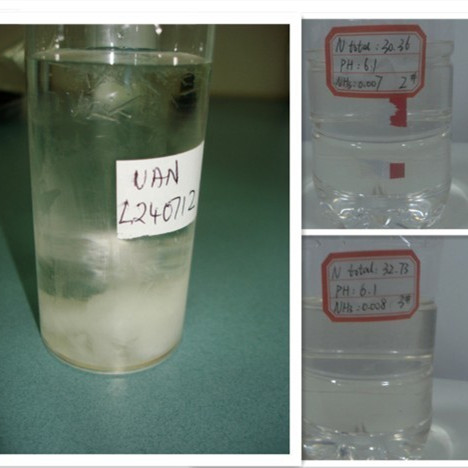
| Urea ammonium nitrate solution (UAN) | An aqueous nitrogen fertilizer solution | Agricultural fertilizer applications |
These materials have different specifications and intended uses. Product names alone do not establish suitability for a particular application.
For industrial buyers, the correct approach is to verify the product identity, current technical documentation, quality requirements, and applicable legal permissions before making procurement decisions.
Why PPAN Matters in the ANFO Supply Chain
Porous Prilled Ammonium Nitrate is an important product category within the industrial ammonium nitrate supply chain. Its porous granular structure distinguishes it from other grades of ammonium nitrate and influences its physical characteristics.
In authorized ANFO-related applications, the structure of PPAN is relevant to its interaction with fuel oil. However, product suitability cannot be established solely by identifying a material as porous prilled ammonium nitrate. Buyers must consider the specific product grade, verified specifications, manufacturing consistency, and applicable regulations.
For manufacturers and distributors, producing and supplying a consistent industrial material requires attention to raw-material quality, manufacturing processes, inspection procedures, and product documentation.
Key Quality Considerations for PPAN
Porous granular structure
The porous structure is a distinguishing physical characteristic of PPAN. Product specifications should clearly identify the grade and relevant physical properties rather than relying on a generic product description.
Moisture control
Moisture content is an important quality consideration for granular ammonium nitrate products. Buyers should review current specification limits and the associated testing methods.
Granule integrity
The physical integrity of granules can influence handling characteristics and product consistency. Relevant properties should be evaluated using documented specifications and appropriate quality-control procedures.
Resistance to caking
Storage conditions and product characteristics can affect the tendency of granular materials to cake. Buyers should consider verified product specifications and the applicable storage requirements.
Batch consistency
Consistent manufacturing processes and documented quality controls help buyers assess whether a supplier can meet agreed product requirements over time.
Traceability and documentation
Product specifications, inspection records, and batch-related documentation support quality verification and responsible procurement.
These considerations should be evaluated together. No single physical property independently establishes overall product quality or suitability for a specific application.
For products associated with explosive applications, technical information must be interpreted within the scope of applicable professional standards, safety requirements, and legal authorization.
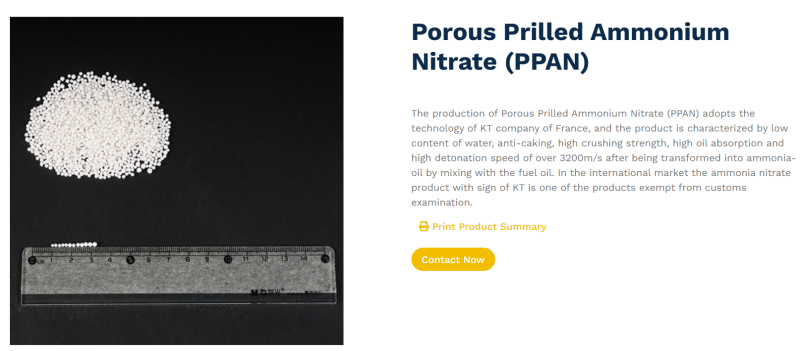
Porous Prilled Ammonium Nitrate
Industrial Applications of ANFO in Open-Pit Mining
Open-pit mining requires coordinated activities that transform mineral deposits into material that can be excavated, transported, and processed.
Blasting may form one part of this sequence. ANFO is associated with certain blasting operations, but its suitability depends on the conditions at an individual mine and the assessment of qualified professionals.
Rock Fragmentation and Mineral Extraction
Rock fragmentation is an important stage in many surface mining operations. The resulting material must be suitable for subsequent excavation, loading, transportation, and processing.
The geological structure of a deposit, rock characteristics, environmental restrictions, and engineering requirements influence the selection of an appropriate blasting approach.
Mining companies therefore assess blasting as part of the overall extraction plan, with attention to operational requirements, environmental management, and workplace safety.
Supporting Large-Scale Mining Operations
Large open-pit mines coordinate multiple stages of production. Delays or inefficiencies in one stage can affect equipment utilization, transportation schedules, processing capacity, and overall operating costs.
Blasting should therefore be evaluated in the context of the wider production system rather than as an isolated material procurement decision.
Relevant considerations include:
Geological and engineering assessments.
Compatibility with the overall mining plan.
Safety management and regulatory requirements.
Coordination between excavation and transportation.
Environmental monitoring and site management.
Procurement reliability and supply-chain planning.
These factors help mining operators assess performance across the entire operation.
Site Conditions and Material Suitability
Mining environments differ significantly. Geological conditions, water exposure, local weather, environmental sensitivity, nearby infrastructure, and regulatory restrictions may influence the suitability of different blasting approaches.
No single material should be assumed to be appropriate for every mine. Site-specific assessments by qualified professionals are necessary, and all operations must comply with the applicable laws and authorization requirements.
For procurement teams, this means that material selection should be based on documented requirements rather than general marketing claims.
How Blasting Fits into the Open-Pit Mining Process
The following simplified workflow illustrates how blasting relates to other stages of an open-pit mining operation.
Figure 1. General Open-Pit Mining Workflow
Geological Assessment
         ↓
Mining Engineering and Site Planning
         ↓
Authorized Blasting Operations
         ↓
Excavation and Loading
         ↓
Haulage and Material Transport
         ↓
Crushing and Processing
         ↓
Mineral Recovery or Further Processing
This is an illustrative overview rather than a universal operating sequence. Actual workflows vary according to mine design, mineral type, geological conditions, and regulatory requirements.
The key point is that blasting performance should be considered alongside excavation, loading, hauling, and processing. Decisions at one stage can influence the efficiency and cost of subsequent stages.
For mine operators, evaluating the entire production chain provides a more meaningful basis for operational planning than considering the purchase price of a blasting material alone.
Advantages and Limitations of ANFO in Mining
ANFO has an established role in certain mining and quarrying applications. However, its suitability must be evaluated against both potential operational benefits and practical limitations.
Potential Advantages
Relevance to large-scale operations
ANFO is associated with industrial blasting applications in mining and quarrying. Its role can be evaluated as part of a mine's overall production strategy.
Economic considerations
Industrial procurement decisions often involve material costs, transportation, handling, compliance, and operational management. A complete cost assessment considers these factors together rather than focusing exclusively on the quoted product price.
Established industrial application
ANFO is a recognized category of industrial blasting explosive. Its use nevertheless requires appropriate technical assessment, professional oversight, and legal authorization.
Important Limitations
Site-specific suitability
Geological conditions, environmental constraints, and engineering requirements influence the choice of blasting materials. ANFO should not be assumed to be appropriate for every operating environment.
Safety and handling requirements
Explosive materials require specialized management, trained personnel, access controls, emergency planning, and compliance with applicable regulations.
Environmental considerations
Mining operations must assess relevant environmental impacts, including potential dust, fumes, noise, vibration, and effects on nearby communities and ecosystems.
Regulatory restrictions
The manufacture, possession, transport, sale, and use of explosive materials may be governed by separate legal requirements. Authorization in one jurisdiction does not automatically establish authorization in another.
ANFO Evaluation Summary
| Evaluation factor | Consideration for mining operators |
|---|---|
| Operational role | Determine whether the material is appropriate for the authorized mining application |
| Geological conditions | Obtain a site-specific engineering assessment |
| Overall cost | Consider procurement, logistics, handling, compliance, and operational factors |
| Safety | Confirm training, authorization, risk controls, and emergency arrangements |
| Environmental management | Review site-specific environmental obligations |
| Regulatory compliance | Verify all applicable permissions and legal requirements |
This framework supports a balanced assessment without assuming that one blasting material is universally superior.
Safety, Storage, Transport, and Regulatory Compliance
Safety and compliance are essential throughout the industrial chemical supply chain. Responsibilities may extend across manufacturing, storage, transportation, distribution, and end use.
Requirements vary by product classification, quantity, jurisdiction, and intended application. Companies should consult the relevant official regulations and qualified compliance professionals before arranging transactions or operations.
Safe Handling and Storage
Ammonium nitrate and explosive materials require appropriate controls based on their classification, packaging, storage environment, and intended use.
Depending on applicable regulations, relevant measures may include suitable storage facilities, access restrictions, personnel training, emergency response arrangements, inventory management, and documented operating procedures.
Companies should establish clear responsibilities for personnel handling regulated materials and ensure that applicable safety procedures are maintained and reviewed.
Transportation and Dangerous-Goods Documentation
Transportation requirements may include product classification, approved packaging, hazard labels, shipping documentation, qualified carriers, and route-specific restrictions.
International shipments can involve requirements in the exporting country, transit jurisdictions, and destination market. The applicable obligations should be verified before a shipment is accepted or dispatched.
Depending on the product and jurisdiction, relevant documentation may include:
Current product specifications.
Safety data sheets.
Applicable dangerous-goods transport documentation.
Required licenses, permits, and authorizations.
Customs and export documentation.
End-user or end-use documentation where legally required.
The exact documents required depend on the product, shipment, transport method, and destination. A general checklist cannot replace a shipment-specific compliance review.
Export Controls and End-Use Verification
Ammonium nitrate and certain related products may be subject to heightened regulatory scrutiny because of their potential misuse. International transactions may therefore require additional review of export controls, import restrictions, transport rules, and end-use requirements.
Suppliers and buyers should verify the legitimacy and eligibility of the proposed transaction, including the identities of relevant parties, the destination, the product classification, and the intended lawful use.
An export authorization does not necessarily cover every product, customer, shipment, or destination. Companies should confirm that the relevant permissions are valid and applicable to the specific transaction.
Responsible international trade depends on accurate documentation, transparent commercial relationships, and compliance with all applicable legal requirements.
How to Evaluate an Industrial Ammonium Nitrate Supplier
For mining companies and industrial chemical buyers, selecting a supplier involves more than comparing prices. A comprehensive assessment considers product specifications, quality management, manufacturing capabilities, delivery reliability, and regulatory compliance.
Product Specifications and Quality Assurance
Buyers should request current product documentation and confirm that it corresponds to the actual product being offered.
Depending on the product category and lawful intended use, relevant quality information may include chemical specifications, physical characteristics, test methods, batch identification, inspection records, and certificates of analysis where applicable.
Third-party testing or independent inspection may be appropriate when required by the contract, regulations, or the buyer's quality management system.
Suppliers should ensure that performance and quality claims are supported by reliable evidence. Historical product data should not be presented as a guarantee of current specifications without verification.
Manufacturing Capacity and Supply Reliability
Manufacturing capacity can be important for buyers managing long-term industrial procurement programs. However, nominal production capacity does not automatically establish that a supplier can fulfill a particular order.
Buyers should also consider current production availability, quality consistency, delivery schedules, logistics arrangements, contingency planning, and the supplier's ability to meet applicable regulatory requirements.
Clear communication about product specifications, inspection procedures, delivery responsibilities, and documentation requirements can help reduce commercial uncertainty.
International Trade Experience
Cross-border chemical transactions can involve manufacturers, distributors, carriers, customs authorities, and regulatory agencies.
A qualified supplier should be able to explain the documentation and verification processes relevant to its products and the proposed transaction. Buyers should independently confirm the validity and scope of any required authorizations.
Commercial agreements should define the product identity, agreed specifications, inspection requirements, delivery terms, documentation responsibilities, and compliance obligations.
Industrial Supplier Evaluation Checklist
| Evaluation category | Questions buyers should ask |
|---|---|
| Product identity | Does the product description match the current technical documentation? |
| Quality assurance | Are specifications, test methods, and applicable inspection records available? |
| Manufacturing capability | Can the supplier substantiate current capacity and delivery commitments? |
| Documentation | Are safety data sheets and required commercial and transport documents available? |
| Authorization | Are the relevant licenses and permissions valid for the specific transaction? |
| Logistics | Can the proposed transportation and delivery arrangements meet applicable requirements? |
| Traceability | Can product batches and associated records be identified where required? |
| Commercial terms | Are specifications, inspection arrangements, and contractual responsibilities clearly defined? |
A structured evaluation helps procurement teams compare suppliers consistently and identify documentation gaps before entering into a commercial agreement.
About San Corporation: Ammonium Nitrate Manufacturing and Industrial Chemical Supply
At San Corporation, we have been committed to the development and supply of ammonium nitrate and related chemical products since our establishment in 2002. We focus on technological innovation, stable operations, and continuous improvement in manufacturing capabilities to serve customers across international markets.
Our manufacturing operations are supported by dedicated research facilities, advanced equipment, and production lines. We have incorporated patented technologies from companies and technology providers in countries including Germany, Japan, France, and Norway, strengthening our approach to product quality, process improvement, and manufacturing consistency.
Our product portfolio includes PPAN (Porous Prilled Ammonium Nitrate), chemical-grade ammonium nitrate, urea, calcium ammonium nitrate (CAN), calcium nitrate, and UAN solution. We serve customers in the fertilizer and chemical sectors, as well as other eligible industrial markets, subject to applicable product requirements, export controls, and regulatory approvals.
PPAN is an important product in our portfolio. Its porous prilled structure is designed to support liquid absorption in relevant industrial applications, including its established role as a raw material in the authorized manufacture of ANFO blasting agents for mining. We emphasize product consistency, moisture control, granule integrity, packaging, and traceability. Product specifications and performance characteristics are confirmed through the applicable technical documentation and quality-control procedures.
Our historical company records report an ammonium nitrate production capacity of approximately 1.2 million metric tons per year and annual exports of approximately 80,000 metric tons in 2012. These figures reflect historical information and should not be interpreted as confirmation of our current production capacity or export volume. We recommend that prospective customers contact our team for current company information, product specifications, availability, and applicable export documentation.
At San Corporation, we value long-term partnerships with qualified distributors and industrial customers. We work to support international procurement through clear product documentation, consistent communication, and attention to applicable safety, transport, storage, and regulatory requirements.
If you are evaluating suppliers of PPAN or related ammonium nitrate products, we encourage you to review the current technical specifications, quality documentation, and regulatory requirements relevant to your intended application before proceeding with procurement.
International Procurement: A Practical Compliance Checklist
Before entering into an international industrial chemical transaction, buyers and suppliers should establish that the proposed shipment and intended use meet the applicable legal requirements.
High-Level Procurement Review
| Review stage | Key question |
|---|---|
| 1. Product identification | Is the product correctly identified and classified? |
| 2. Counterparty verification | Are the buyer, seller, and relevant parties legitimate and eligible? |
| 3. Destination review | Are importation and transit permitted under the applicable rules? |
| 4. Authorization review | Are all required licenses and permissions valid for this transaction? |
| 5. Documentation review | Are the necessary technical, safety, customs, and transport documents available? |
| 6. Logistics review | Do the proposed packaging, carrier, route, and transport arrangements meet applicable requirements? |
| 7. Final approval | Have the relevant compliance and operational reviews been completed before shipment? |
This checklist is a general management framework, not a substitute for legal advice or an official determination of whether a specific transaction is permitted.
Requirements for industrial chemicals can change. Companies should verify current official guidance for the relevant jurisdictions and consult qualified professionals where necessary.
Frequently Asked Questions
What does ANFO stand for?
ANFO stands for ammonium nitrate fuel oil. It is an industrial explosive used in certain mining and quarrying applications.
What is ANFO used for in open-pit mining?
ANFO is associated with certain blasting operations that support rock fragmentation in mining. Its suitability depends on geological conditions, engineering assessments, safety requirements, and applicable regulations.
What is PPAN?
PPAN stands for Porous Prilled Ammonium Nitrate. It is a granular form of ammonium nitrate characterized by its porous structure and defined physical properties.
Why is PPAN associated with ANFO?
PPAN's porous granular structure provides internal pore space and influences its interaction with liquids, including fuel oil in authorized ANFO-related applications. The suitability of a specific product depends on its verified specifications, applicable authorization, and professional assessment.
Is ammonium nitrate the same as ANFO?
No. Ammonium nitrate is a chemical compound with multiple industrial uses. ANFO is a distinct industrial explosive containing ammonium nitrate and a fuel component. The two terms are not interchangeable.
What quality factors should buyers consider when evaluating PPAN?
Buyers should review current product specifications, moisture limits, granule integrity, resistance to caking, batch consistency, and relevant quality documentation. The appropriate evaluation criteria depend on the product grade and lawful intended use.
Is ANFO suitable for every open-pit mine?
No. Mining conditions vary considerably. Geological characteristics, environmental restrictions, engineering requirements, and regulatory obligations must be considered by qualified professionals when selecting an appropriate blasting approach.
What should buyers look for in an industrial ammonium nitrate supplier?
Buyers should verify product specifications, quality documentation, manufacturing and delivery capabilities, traceability where applicable, relevant authorizations, and compliance with the laws governing the transaction and intended use.
What documents may be required for international ammonium nitrate shipments?
Depending on the product and jurisdiction, documents may include product specifications, safety data sheets, transport documentation, customs records, licenses, permits, and end-use documentation where required. Buyers and suppliers should verify the requirements for each specific shipment.
How can industrial buyers assess supplier reliability?
A structured assessment should examine current production capabilities, documented quality controls, delivery performance, traceability, commercial transparency, and the supplier's ability to meet applicable legal requirements.
Why is regulatory compliance important when sourcing PPAN and other ammonium nitrate products?
Compliance helps ensure that products are manufactured, supplied, transported, and received within the applicable legal framework. It also supports responsible supply-chain management, reduces regulatory uncertainty, and helps protect workers, communities, and business partners.
Conclusion
ANFO is an established industrial blasting explosive associated with certain mining and quarrying applications. In open-pit mining, it forms part of a broader production system involving geological assessment, engineering planning, rock fragmentation, excavation, transportation, and processing.
Porous Prilled Ammonium Nitrate (PPAN) is a relevant raw-material category within the ANFO supply chain. Its porous granular structure influences its physical characteristics and its interaction with liquids, including fuel oil in authorized applications. Understanding the distinction between PPAN, other ammonium nitrate grades, and ANFO is essential for accurate product evaluation and responsible industrial procurement.
For mining operators and industrial buyers, product quality, manufacturing consistency, reliable documentation, supply capability, and regulatory compliance should be assessed together.
San Corporation's manufacturing background and reported portfolio of ammonium nitrate and other nitrogen-based products provide a basis for qualified industrial buyers to explore its current capabilities. Prospective customers should verify current product specifications, availability, supporting documentation, and relevant authorizations before proceeding with any transaction.
A responsible procurement decision combines technical understanding, independent verification, transparent supplier communication, and compliance with the laws governing the intended application and destination.