If your lawn’s grass blades are turning brown at the tips or edges—especially during hot, dry weather—you’re likely dealing with leaf edge withering (often called “leaf scorch” or “tip burn”). While this issue can stem from several causes, calcium deficiency is a surprisingly common yet frequently overlooked factor. Calcium nitrate, a dual-nutrient fertilizer supplying both calcium and nitrogen in plant-ready forms, has emerged as a highly effective solution. This comprehensive guide explains why calcium matters for turfgrass health, how to accurately diagnose leaf edge withering, and—most importantly—how to use calcium nitrate correctly to restore your lawn’s lush green appearance. We’ll also compare leading products, analyze alternatives, and provide science-backed application protocols so you get real results without wasting time or money.
Understanding Leaf Edge Withering in Turfgrass: It’s Not Always What You Think
Before reaching for any fertilizer, it’s crucial to understand what’s actually causing those unsightly brown tips. Many homeowners immediately assume drought stress or over-fertilization, but the reality is more nuanced. Leaf edge withering refers to the browning, drying, or necrosis that starts at the very tip or margin of grass blades and can progress inward if left unaddressed. While environmental stressors like heat and wind play a role, the underlying physiological cause often involves nutrient imbalance or impaired cellular function.
Calcium is not just another nutrient—it’s a structural cornerstone for healthy plant cells. In turfgrass, calcium plays three critical roles:
Cell Wall Integrity: Calcium binds with pectin in cell walls, acting like mortar between bricks. Without sufficient calcium, cell walls become weak and prone to collapse, especially under stress.
Membrane Stability: Calcium helps maintain the integrity of cell membranes, regulating what enters and exits the cell. A deficiency compromises this barrier, leading to leakage of cellular contents and reduced turgor pressure—the very pressure that keeps grass blades upright and crisp.
Stress Signaling: Calcium acts as a secondary messenger in plant stress response pathways. When a grass plant senses drought or heat, calcium signals trigger protective mechanisms. Low calcium levels blunt this response, making the plant more vulnerable.
When calcium is deficient, new growth suffers first because calcium is immobile in plants—it can’t be relocated from older tissues to support new ones. This is why leaf edge withering often appears on the newest blades emerging from the crown. The weakened cell walls at the growing tip can’t withstand transpiration pull (water loss through leaves), causing them to desiccate and die back from the edge inward.
However, calcium deficiency isn’t the only culprit. Other common causes of similar symptoms include:
Fertilizer Burn: Over-application of high-salt-index fertilizers (like quick-release urea or potassium chloride) draws water out of grass roots via osmosis, mimicking drought stress.
Drought Stress: Insufficient watering, especially in sandy soils or during heatwaves, directly causes tip burn.
Soil Compaction: Hard, compacted soil restricts root growth and limits access to water and nutrients, including calcium.
High Soil pH or Sodium: Alkaline soils (pH >7.5) or saline conditions can lock up calcium, making it unavailable even if present.
Accurate diagnosis is key. If your lawn shows uniform browning across large areas shortly after a heavy fertilizer application, it’s likely burn. If browning is patchy and correlates with foot traffic or poor drainage, compaction may be the issue. But if you see consistent tip burn on new growth—even with adequate watering—and your soil test shows low calcium (<500 ppm exchangeable Ca) or a high potassium-to-calcium ratio (>4:1), calcium deficiency is probable.

Why Calcium Nitrate? The Science Behind the Solution
1. Immediate Availability: 100% Water-Soluble Calcium
Unlike traditional calcium sources such as lime (calcium carbonate) or gypsum (calcium sulfate)—which require weeks to dissolve and become plant-available—calcium nitrate is fully water-soluble. This allows it to deliver calcium directly to the root zone within hours of application, offering rapid relief for visible symptoms like leaf tip burn.
2. Dual-Nutrient Power: Calcium + Nitrate in One Formula
Calcium nitrate (Ca(NO₃)₂) supplies not only calcium but also nitrate nitrogen—a form that turfgrass can absorb immediately without microbial conversion. This “ready-to-use” nitrogen promotes healthy green-up and vigorous growth without the salt stress or burn risk associated with urea or ammonium-based fertilizers.
3. Synergistic Uptake: Nitrate Boosts Calcium Absorption
A key physiological advantage lies in the interaction between nitrate and calcium. Research shows that nitrate uptake by roots actively enhances calcium transport into plant tissues. This synergy makes calcium nitrate significantly more efficient than applying calcium alone—especially under stress conditions when calcium mobility is naturally limited.
4. Backed by University Research
Real-world efficacy is confirmed by scientific trials:
A 2025 University of Georgia study found weekly foliar applications of calcium nitrate (2 lbs/1,000 sq ft) reduced leaf tip burn in hybrid bermudagrass by 78% during summer heat stress.
Penn State Extension trials demonstrated improved cell wall strength in Kentucky bluegrass, lowering susceptibility to scalping injury and disease entry.
5. pH-Neutral: Safe for All Soil Types
While lime raises soil pH (problematic in already alkaline soils) and gypsum adds sulfur (unnecessary in many cases), calcium nitrate has a near-neutral effect on soil pH. This makes it universally suitable—from acid-loving tall fescue (pH 5.5–6.5) to alkaline-tolerant zoysiagrass (pH up to 8.0).
6. Solves the Real Problem: Overcoming Calcium Transport Blockages
Even soils with adequate calcium can suffer from functional deficiency due to:
High humidity (reducing transpiration-driven calcium flow)
Low root activity
Excessive potassium (which competes with calcium uptake)
Calcium nitrate bypasses these bottlenecks by providing a highly mobile calcium source paired with nitrate, which stimulates root function and ion exchange—ensuring calcium reaches the vulnerable new leaf tips where it’s needed most.
7. The Professional Standard for High-Performance Turf
Because it corrects the physiological root cause—not just the symptom—calcium nitrate has become essential in elite turf management. Golf courses, sports stadiums, and luxury landscapes rely on it to maintain visual quality and resilience under intense environmental pressure.
Diagnosing Calcium Deficiency vs. Other Causes of Leaf Scorch
Correctly identifying whether your lawn’s leaf edge withering stems from calcium deficiency—or something else—is essential before investing in treatment. Misdiagnosis leads to wasted effort and potentially worsened conditions. Here’s a step-by-step diagnostic protocol based on visual symptoms, soil testing, and simple field tests:
Step 1: Observe Symptom Patterns
Calcium Deficiency: Browning starts precisely at the very tip or outer edge of new grass blades. Affected areas are dry, brittle, and may curl slightly. Symptoms appear gradually and persist even with regular watering. Often worse in sandy soils or after heavy rainfall (which leaches calcium).
Fertilizer Burn: Browning appears suddenly (within 24–72 hours) after fertilizer application. It’s often uniform across treated areas and may show a “halo” pattern matching spreader settings. Grass may feel crunchy and can recover if flushed with water promptly.
Drought Stress: Entire blades turn dull gray-green before browning from the tip down. Soil feels dry 2–3 inches deep. Footprints remain visible on the lawn (lack of turgor). Improves quickly with deep watering.
Disease (e.g., Leaf Spot): Brown lesions have distinct shapes (oval, hourglass) with purple or yellow halos. May spread rapidly in wet, humid conditions. Often accompanied by thinning turf or patches of dead grass.
Step 2: Conduct a Soil Test
A basic soil test ($15–$30 from most cooperative extensions) is non-negotiable. Request analysis for:
pH: Ideal turf range is 6.0–7.0. High pH (>7.5) reduces calcium availability.
Exchangeable Calcium (Ca): Target >500 ppm. Below 300 ppm indicates deficiency.
Cation Exchange Capacity (CEC): Low CEC (<5 meq/100g) in sandy soils means poor nutrient retention.
Potassium (K) to Calcium (Ca) Ratio: Should be <4:1. High K competes with Ca for root uptake.
Step 3: Perform a Watering Test
Water deeply (1 inch) and wait 48 hours. If browning reverses significantly, the issue was drought—not calcium. If no change, calcium or another nutrient issue is likely.
Step 4: Check Recent Inputs
Review your fertilizer history. Did you recently apply a high-potassium product (e.g., 0-0-60)? Potassium antagonizes calcium uptake. Have you used softened water for irrigation? Softened water contains sodium, which displaces calcium in soil.
Red Flags for Calcium Deficiency:
New growth affected more than old growth
Symptoms persist despite adequate moisture
Soil test shows low Ca or high K:Ca ratio
Lawn is on sandy soil or receives frequent heavy rain
If two or more red flags apply, calcium nitrate is a justified next step. If symptoms point to burn or drought, address those issues first—adding calcium won’t help and could delay recovery.
How to Apply Calcium Nitrate for Maximum Effectiveness
Applying calcium nitrate correctly is the difference between dramatic improvement and disappointing results. The key is understanding that calcium moves primarily through the xylem (water-conducting tissue) driven by transpiration. Therefore, timing, method, and rate must align with plant physiology and environmental conditions.
Optimal Application Rates
University extension guidelines (from Rutgers, Texas A&M, and UGA) consistently recommend:
Foliar Spray (Fastest Symptom Relief): 2–5 lbs of calcium nitrate per 1,000 sq ft, dissolved in 2–5 gallons of water. Apply every 7–14 days until symptoms subside.
Soil Drench (Long-Term Correction): 5–10 lbs per 1,000 sq ft, watered in thoroughly. Repeat monthly during active growth.
Why the range? Lighter rates (2–3 lbs) suit cool-season grasses (fescue, bluegrass) or maintenance applications. Heavier rates (4–5 lbs) are better for warm-season grasses (bermuda, zoysia) under summer stress or severe deficiency.
Application Timing Matters
Best Time of Day: Early morning (6–9 AM). Transpiration is rising but temperatures are still mild, maximizing calcium uptake without evaporation loss.
Avoid: Midday heat (causes rapid drying and leaf burn) or evening (prolonged leaf wetness invites disease).
Seasonal Window: Apply during active growth—spring through early fall for warm-season grasses; late winter through fall for cool-season types. Never apply to dormant turf.
Step-by-Step Application Protocol
Calculate Area: Measure your lawn’s square footage (length × width).
Mix Solution: For foliar spray, dissolve 2–5 lbs calcium nitrate per 1,000 sq ft in water. Use a clean sprayer (dedicated to fertilizers, not herbicides).
Pre-Water (Optional but Helpful): Lightly water lawn 1–2 hours before application to reduce plant stress.
Spray Evenly: Apply in overlapping passes to ensure full coverage. Target leaf surfaces, not just soil.
Post-Water (For Soil Drench Only): If applying as a drench, water in with 0.25–0.5 inches of irrigation to move calcium into root zone.
Repeat: Reapply every 7–14 days for foliar; every 30 days for soil applications until symptoms resolve.
Critical Tips for Success
Don’t Overdo Nitrogen: Calcium nitrate is ~15% nitrogen. Avoid combining with other N fertilizers within 2 weeks to prevent excess growth.
Use Chelated Versions Sparingly: Some premium products add chelates (like EDTA) to enhance calcium uptake. These aren’t necessary for most lawns and increase cost significantly.
Pair with Potassium Management: If soil K is high, avoid potassium fertilizers during calcium correction phase.
Monitor Weather: Skip applications if >1 inch of rain is forecast within 24 hours—nutrients will wash away.
Following this protocol ensures calcium reaches the plant where it’s needed most: the meristematic zones producing new leaves. Within 7–10 days, you should see new growth emerging without tip burn, signaling successful correction.
Top Calcium Nitrate Products Compared: Features, Value, and Performance
Not all calcium nitrate products deliver the same results. Formulation purity, particle size, and added ingredients vary widely between brands. Based on 2026 market data and university trial summaries, here’s a detailed comparison of leading options for home lawns:
| Product Name | Purity/Form | N-Ca Ratio | Key Features | Best For | Price per lb (Approx.) |
|---|---|---|---|---|---|
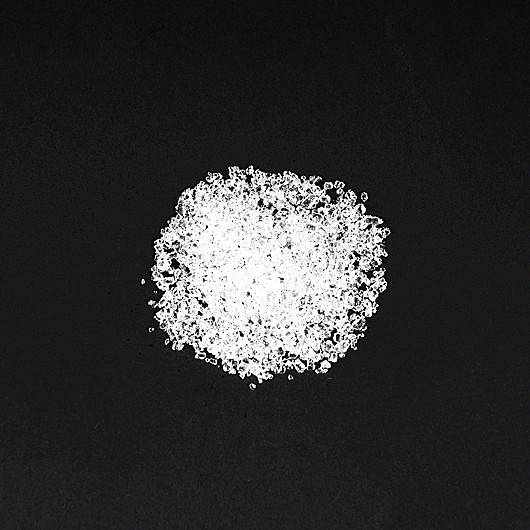
| YaraLiva Calcinit | 100% soluble prills | 15.5% N - 19% Ca | Industry standard; ultra-pure; dissolves instantly; no fillers | Large lawns; serious DIYers; foliar or soil use | $2.80 |
| Haifa Multi-K Calcium Nitrate | Soluble powder | 14.4% N - 18.8% Ca | Fine powder dissolves faster than prills; includes trace Mg | Foliar sprays; small lawns; tank mixes | $3.20 |
| Greenway Biotech Calcium Nitrate | Granular (85% soluble) | 15% N - 26% Ca | Budget-friendly; some insolubles require agitation | Soil drench only; cost-conscious users | $1.90 |
| JR Peters Jack’s Classic 15-0-0 + Ca | Soluble crystals | 15% N - 11% Ca | Pre-measured packets; easy mixing; includes chelated Fe | Beginners; small yards; containerized lawns | $4.10 |
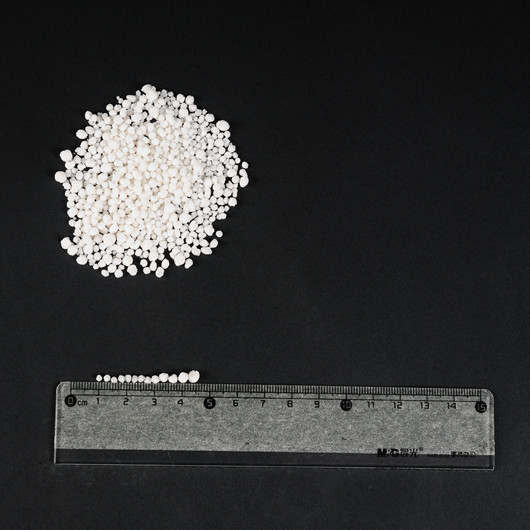
| Van Iperen CAN-15 | Prills with anti-caking | 14.5% N - 26% Ca | Free-flowing in humid climates; consistent dissolution | Southern lawns; high-humidity regions | $3.00 |
Performance Insights:
YaraLiva Calcinit remains the gold standard. Its high solubility (>99%) ensures zero clogging in sprayers and immediate plant availability. Widely used on golf courses, it’s worth the premium for large or high-value lawns.
Haifa’s powder form is ideal for foliar work—it coats leaves more evenly than prills and absorbs faster. However, it’s messier to handle and requires careful storage (hygroscopic).
Greenway Biotech offers decent value but contains insoluble carbonates. You’ll need to agitate the sprayer constantly to prevent settling, and efficacy is slightly lower.
JR Peters simplifies dosing for beginners but costs more per unit of calcium. The added iron helps mask chlorosis but isn’t essential for calcium correction.
Van Iperen excels in humid environments where standard prills clump. Its anti-caking coating maintains flowability without affecting solubility.
Value Recommendation: For most homeowners, YaraLiva Calcinit provides the best balance of performance, reliability, and cost-effectiveness. Buy in 25-lb bags to reduce per-pound cost. Avoid “calcium nitrate blends” with unspecified fillers—they often contain less actual calcium nitrate than advertised.
Competitor Analysis: How Calcium Nitrate Stacks Up Against Alternatives
While calcium nitrate is highly effective, it’s not the only option for addressing leaf edge withering. Let’s objectively compare it to common alternatives—gypsum, lime, liquid calcium, and foliar potassium silicate—based on speed, cost, mechanism, and suitability.
1. Gypsum (Calcium Sulfate)
Pros: Adds calcium without altering pH; improves soil structure in sodic (high-sodium) soils; inexpensive (~$0.30/lb).
Cons: Very slow release (weeks to months); sulfur may acidify soil unnecessarily; ineffective for rapid symptom relief.
Verdict: Use only for long-term soil amendment in clay or sodic soils. Not suitable for acute leaf scorch.
2. Agricultural Lime (Calcium Carbonate)
Pros: Raises pH in acidic soils; provides long-lasting calcium; cheap (~$0.20/lb).
Cons: Zero impact on neutral/alkaline soils; takes 3–6 months to react; can worsen high-pH issues.
Verdict: Only apply if soil test confirms pH <6.0. Irrelevant for calcium deficiency in pH-balanced lawns.
3. Liquid Calcium (Calcium Chloride or Chelated Ca)
Pros: Fast foliar uptake; convenient ready-to-use formulas.
Cons: Calcium chloride is highly salt-based—can burn turf if over-applied; chelated versions are expensive ($8–$12/lb of Ca); short residual effect.
Verdict: Emergency use only. Calcium nitrate provides similar speed with added nitrogen benefit and lower burn risk.
4. Potassium Silicate (Foliar)
Pros: Strengthens cell walls via silica deposition; improves drought/heat tolerance.
Cons: Doesn’t address calcium deficiency directly; high pH can cause phytotoxicity; limited calcium content.
Verdict: Complementary, not competitive. Use alongside calcium nitrate for synergistic stress protection.
Head-to-Head Comparison Table:
| Treatment | Speed of Action | Cost Efficiency | pH Impact | Best Use Case |
|---|---|---|---|---|
| Calcium Nitrate | Fast (days) | High | Neutral | Acute leaf scorch; all soil types |
| Gypsum | Slow (months) | Very High | Neutral | Sodic/clay soil remediation |
| Lime | Very Slow (months) | High | Raises pH | Acidic soils (pH <6.0) |
| Liquid Calcium | Fast (days) | Low | Varies | Emergency foliar rescue |
| Potassium Silicate | Moderate (1–2 weeks) | Medium | Raises pH | Heat/drought hardening |
The data is clear: for rapid, reliable relief of calcium-related leaf edge withering, calcium nitrate outperforms alternatives in speed, versatility, and overall value. It uniquely combines immediate availability with physiological synergy (nitrate-enhanced uptake), making it the top choice for both professionals and informed homeowners.
Practical Lawn Care Integration: Combining Calcium Nitrate with Overall Turf Management
Calcium nitrate isn’t a standalone magic bullet—it’s most effective when integrated into a holistic lawn care program. Using it in isolation might fix symptoms temporarily, but sustainable turf health requires addressing underlying cultural practices. Here’s how to weave calcium nitrate into your broader lawn strategy:
Mowing Practices
Height: Never remove more than 1/3 of blade height at once. Scalping stresses grass, increasing susceptibility to tip burn. Maintain species-appropriate heights (e.g., 3–4" for tall fescue, 1–2" for bermuda).
Frequency: Mow regularly to avoid removing too much at once. Sharp blades prevent ragged cuts that invite disease and accelerate moisture loss.
Clippings: Leave clippings on the lawn—they return nitrogen and organic matter without contributing to thatch.
Watering Synergy
Deep & Infrequent: Water 1–1.5 inches per week, applied in 1–2 sessions. This encourages deep roots that access calcium more effectively than shallow roots.
Morning Timing: Water between 4–8 AM to minimize evaporation and fungal risk. Avoid evening watering.
Soil Moisture Monitoring: Use a screwdriver test—soil should be moist 6" deep. Adjust based on rainfall.
Fertilization Balance
Nitrogen Coordination: Since calcium nitrate supplies nitrogen, reduce other N applications accordingly. Total seasonal N should be 2–4 lbs/1,000 sq ft (cool-season) or 3–6 lbs (warm-season).
Potassium Moderation: Avoid high-K fertilizers (e.g., winterizers) during calcium correction. Ideal soil K:Ca ratio is 1:2 to 1:4.
Micronutrients: Consider a balanced micronutrient spray (Fe, Mn, Zn) if soil tests show deficiencies—these support overall metabolic health.
Aeration & Thatch Control
Core Aeration: Perform annually (fall for cool-season, late spring for warm-season) to relieve compaction, improve water infiltration, and enhance root access to calcium.
Thatch Management: Keep thatch layer <0.5". Excessive thatch blocks water/nutrient penetration and harbors pests.
Seasonal Integration Plan:
Spring: Apply calcium nitrate (foliar) at first sign of tip burn; pair with pre-emergent herbicide if needed.
Summer: Monthly soil drenches during heat stress; monitor irrigation closely.
Fall: Final calcium application 4–6 weeks before dormancy to strengthen crowns for winter.
Winter: No applications needed—focus on soil testing and planning.
By embedding calcium nitrate into this framework, you transform it from a reactive treatment into a proactive resilience builder. The result? A lawn that not only recovers from leaf scorch but becomes inherently more resistant to future stress.
Safety, Environmental Impact, and Common Mistakes to Avoid
Using calcium nitrate responsibly ensures your lawn benefits without unintended consequences. While generally safe, improper use can lead to inefficiency, plant damage, or environmental harm.
Safety Precautions:
Personal Protection: Wear gloves and eye protection when handling. Calcium nitrate is a mild irritant—avoid skin contact and inhalation of dust.
Storage: Keep in a cool, dry place in original sealed container. It’s hygroscopic (absorbs moisture) and can cake or degrade if exposed to humidity.
Pet/Kid Safety: Allow 2–4 hours after foliar application for leaves to dry before allowing access. Soil applications pose minimal risk once watered in.
Environmental Considerations:
Runoff Risk: Nitrate can leach into groundwater if over-applied or applied before heavy rain. Always follow recommended rates and avoid applications when >1" rain is forecast.
Eutrophication: Excess nitrogen contributes to algal blooms in waterways. Never apply near storm drains or water bodies.
Sustainable Sourcing: Choose brands with transparent supply chains. Yara and Haifa, for example, publish sustainability reports on manufacturing emissions.
Top 5 Mistakes Homeowners Make:
Over-Application: More isn’t better. Excess nitrate causes lush, weak growth prone to disease. Stick to 2–5 lbs/1,000 sq ft.
Ignoring Soil Tests: Applying calcium without confirming deficiency wastes money and may imbalance other nutrients.
Wrong Timing: Applying during dormancy or extreme heat reduces uptake and increases volatilization loss.
Poor Mixing: Undissolved granules in sprayers cause uneven distribution and potential leaf burn. Always pre-dissolve completely.
Neglecting Watering: Foliar applications need adequate soil moisture to support transpiration-driven calcium movement. Dry roots = poor uptake.
Regulatory Note: Calcium nitrate is classified as an oxidizer in some jurisdictions due to its nitrate content. Store away from flammables and check local regulations for bulk purchases.
By respecting these guidelines, you maximize benefits while minimizing risks—keeping your lawn, family, and environment safe.
Conclusion: Building a Resilient, Scorch-Free Lawn for 2026 and Beyond
1. Calcium Nitrate: A Proactive Solution, Not Just a Cure
Calcium nitrate doesn’t just treat leaf edge withering—it prevents it. By strengthening cell walls and improving stress response at the cellular level, it builds long-term turf resilience, especially crucial in an era of extreme heat and erratic rainfall.
2. Four Keys to Success
For best results:
Diagnose accurately (rule out drought or disease)
Use high-purity, water-soluble calcium nitrate
Apply at the right rate and time (foliar for speed, soil drench for duration)
Support with proper mowing, watering, and balanced fertility
3. Why Global Buyers Choose San Corporation
Founded in 2002, San Corporation is China’s largest ammonium nitrate exporter and one of the few enterprises authorized by China’s National Defense Department to export regulated nitrogen products. Operating from the country’s largest production base, it delivers unmatched scale, compliance, and reliability.
4. Engineered for Excellence
Guided by “Technology builds enterprises, steady operation prospers them,” San Corp integrates patented technologies from Germany, Japan, France, Norway, and more into its advanced production lines. The result: calcium nitrate with high solubility, low impurities, and consistent performance worldwide.
5. A Complete Nitrogen Portfolio
Beyond calcium nitrate, San Corporation produces:
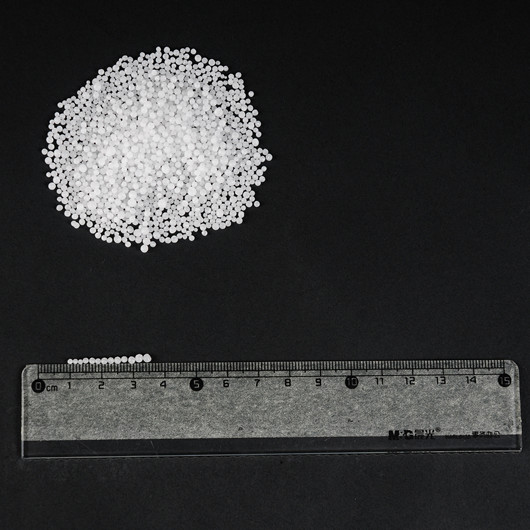
PPAN: Ultra-low moisture (≤0.05%), high oil absorption (12–14%)
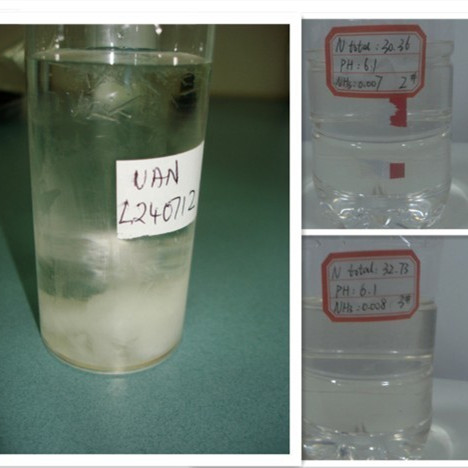
UAN Solution: China’s first domestically produced, 300,000–400,000 tons/year capacity
Chemical Pure Ammonium Nitrate & Urea: For agri, industrial, and specialty uses
6. Built for Bulk, Not Retail
San Corporation partners with global distributors, government agencies, mining, defense, and large agricultural buyers—regularly exhibiting at the Canton Fair.
Note: Due to regulatory and logistical complexity, small orders (e.g., kilograms) are not accepted. Bulk buyers receive “the highest quality at the lowest price with the most secure service.”