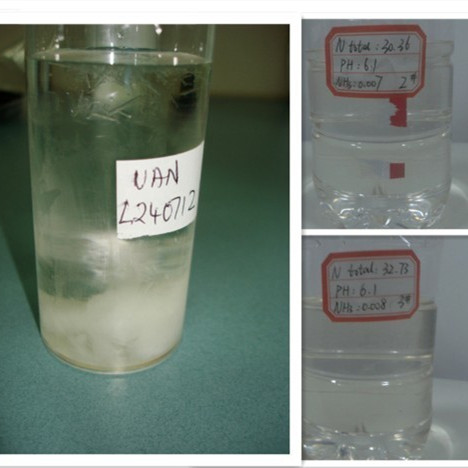
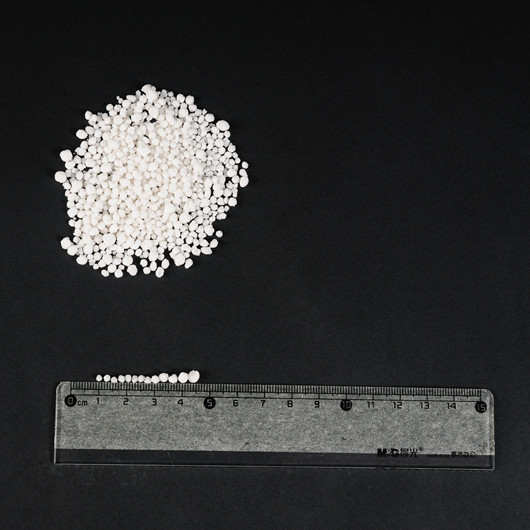
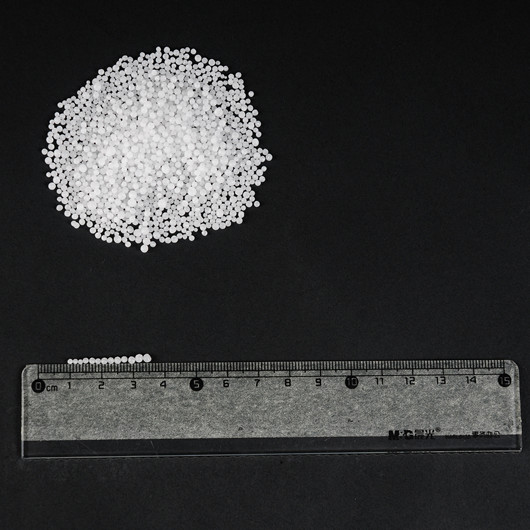
Ammonium nitrate is an important industrial chemical used in agricultural fertilizer production and various chemical supply chains. When researching ammonium nitrate products, buyers may encounter different commercial classifications, including PPAN (Porous Prilled Ammonium Nitrate) and CPAN (Chemical Pure Ammonium Nitrate).
Although both products belong to the same chemical family, their commercial descriptions represent different product characteristics and quality classifications. Understanding these differences is important for chemical distributors, fertilizer manufacturers, industrial procurement departments, and international buyers.
However, identifying the differences between PPAN and CPAN requires more than comparing their names. Buyers should also understand chemical identity, product specifications, quality documentation, regulatory requirements, and supplier qualifications.
This article provides an overview of PPAN and CPAN, examines their main commercial differences, and explains the factors that professional buyers should consider when evaluating ammonium nitrate suppliers.
1. Understanding Ammonium Nitrate: The Common Chemical Foundation
Before comparing PPAN and CPAN, it is important to understand the chemical substance behind both commercial product names.
Ammonium nitrate is an inorganic compound with the molecular formula NH₄NO₃. It consists of ammonium ions and nitrate ions and is commercially produced for several industrial and agricultural markets.
Its commercial classification depends on the intended market, product specifications, manufacturing quality requirements, and applicable regulations.
1.1 Chemical Identity of Ammonium Nitrate
PPAN and CPAN are both based on ammonium nitrate. Their different abbreviations do not indicate two different chemical compounds.
Instead, they describe commercial product categories with potentially different physical characteristics and quality expectations.
This distinction is important because buyers sometimes assume that different product abbreviations automatically indicate different chemical compositions.
1.2 Why Does Ammonium Nitrate Have Different Commercial Grades?
Industrial chemicals are frequently classified according to their intended applications and the quality requirements of individual markets.
Commercial grades help manufacturers and purchasers communicate product requirements more accurately.
For ammonium nitrate, relevant considerations may include:
Chemical identity and verified composition.
Physical product classification.
Applicable industry standards.
Product quality documentation.
Packaging and transportation requirements.
Regulatory classification and destination-market requirements.
Therefore, understanding the commercial grade is an important first step in evaluating a product.
2. What Is PPAN (Porous Prilled Ammonium Nitrate)?
PPAN stands for Porous Prilled Ammonium Nitrate. It is a commercial designation for a specialized form of ammonium nitrate characterized by its porous prilled physical structure.
The term PPAN describes a product classification rather than a separate chemical substance.
When evaluating PPAN, buyers should distinguish between its commercial name and the actual technical specifications supplied by the manufacturer.
2.1 Understanding the PPAN Product Classification
The designation Porous Prilled Ammonium Nitrate communicates two aspects of the commercial product: its prilled physical form and its porous structural classification.
However, the exact product properties should not be inferred from the abbreviation alone.
Different manufacturers may use their own technical specifications and quality-control documentation. Consequently, professional buyers should request current product documentation before making purchasing decisions.
2.2 Important Considerations When Purchasing PPAN
A professional PPAN procurement evaluation should consider:
Whether the product identity matches the purchase documentation.
Whether the manufacturer's technical specification is available.
Whether the Certificate of Analysis is traceable to the relevant batch.
Whether the product has the required regulatory classification.
Whether the supplier can provide appropriate quality and transportation documents.
For more product information, visit Porous Prilled Ammonium Nitrate (PPAN).
3. What Is CPAN (Chemical Pure Ammonium Nitrate)?
CPAN stands for Chemical Pure Ammonium Nitrate. It is a commercial designation associated with chemical-grade ammonium nitrate.
Unlike a product name that primarily communicates physical form, the term Chemical Pure emphasizes the product's chemical-grade quality positioning.
Nevertheless, the term should not be interpreted as an internationally standardized purity value without supporting documentation.
3.1 Understanding Chemical-Grade Classification
Chemical-grade products are generally evaluated against defined quality requirements established by manufacturers, purchasers, or applicable industry standards.
The relevant documentation should identify the product's verified composition and other applicable quality characteristics.
It is important to distinguish between a supplier's commercial designation and an independently verified technical specification.
3.2 What Should Buyers Know About CPAN?
Before purchasing CPAN, buyers should confirm:
The official commercial product name.
The chemical identity stated in the technical documentation.
The applicable product specification.
The validity and traceability of the Certificate of Analysis.
The relevant regulatory and transportation requirements.
For additional information, see Chemical Pure Ammonium Nitrate (CPAN).
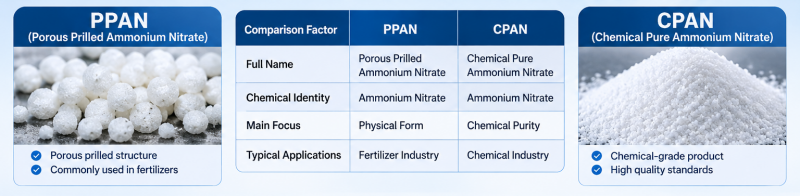
4. PPAN vs CPAN: A Detailed Comparison
The main difference between PPAN and CPAN is their commercial classification and the characteristics emphasized by their respective product descriptions.
Both products belong to the ammonium nitrate family, but buyers should evaluate them using their actual specifications rather than relying exclusively on their names.
4.1 General Product Classification Comparison
| Comparison Factor | PPAN | CPAN |
|---|---|---|
| Full Name | Porous Prilled Ammonium Nitrate | Chemical Pure Ammonium Nitrate |
| Chemical Identity | Ammonium Nitrate | Ammonium Nitrate |
| Molecular Formula | NH₄NO₃ | NH₄NO₃ |
| Commercial Classification | Porous prilled product | Chemical-grade product |
| Classification Focus | Physical product characteristics | Chemical-grade quality requirements |
| Quality Verification | Manufacturer specification and COA | Manufacturer specification and COA |
| Product Documentation | SDS, COA and technical documents | SDS, COA and technical documents |
| Regulatory Status | Depends on product classification and jurisdiction | Depends on product classification and jurisdiction |
4.2 Chemical Identity vs. Commercial Classification
One of the most important distinctions is the difference between chemical identity and commercial classification.
Chemical identity describes the actual substance, while commercial classification helps communicate the product's characteristics and quality requirements.
Two products can share the same chemical formula while being sold under different commercial descriptions.
This principle is common across the chemical industry and is not unique to ammonium nitrate.
4.3 Why Product Names Are Not Enough
A product abbreviation does not provide a complete description of its technical properties.
For example, the words Porous, Prilled, and Chemical Pure communicate different aspects of product classification, but they do not replace a formal technical specification.
Buyers should therefore avoid making purchasing decisions based solely on product names or general online descriptions.
5. What Are the Main Quality Factors in Ammonium Nitrate Procurement?
Quality verification is one of the most important parts of industrial chemical purchasing.
Even when two suppliers advertise products under the same commercial designation, their documentation, quality-management systems, and verification procedures may differ.
5.1 Product Specifications
A technical specification defines the characteristics that a manufacturer declares for a particular product.
It serves as a reference for evaluating whether the supplied product meets the agreed commercial requirements.
Buyers should ensure that the specification is current, product-specific, and consistent with the purchasing agreement.
5.2 Certificate of Analysis (COA)
A Certificate of Analysis is an important quality document in chemical procurement.
It provides documented analytical information associated with a particular product batch or shipment.
When reviewing a COA, buyers should check:
Product identification.
Manufacturer information.
Batch or lot traceability.
Testing date and reporting information.
Issuing laboratory or responsible organization.
Applicable acceptance criteria.
A COA should be evaluated according to its actual testing scope rather than treated as a general guarantee of every product characteristic.
5.3 Safety Data Sheet (SDS)
The Safety Data Sheet provides important information about chemical hazards, protective measures, emergency response, storage requirements, and regulatory considerations.
For ammonium nitrate procurement, a current SDS is an essential document.
5.4 Independent Inspection and Verification
Independent inspection may provide additional confidence in the quality and documentation of an international chemical shipment.
However, buyers should check the inspection organization's identity, the scope of testing, sampling information, and the relationship between the report and the relevant shipment.
San Corporation provides a Quality and Inspection Documentation section for visitors interested in its quality-related information.
6. Understanding the Role of Physical Characteristics in Product Classification
Physical product characteristics are important in industrial chemical classification.
However, commercial buyers should not confuse a general product description with verified technical data.
6.1 Product Form and Commercial Identification
Commercial product names can communicate information about a product's physical form.
This information helps buyers identify the category being offered by a manufacturer.
However, the actual physical properties of a supplied product must be established through its current technical documentation.
6.2 Why Physical Specifications Matter to Buyers
Physical product specifications can be relevant to quality acceptance, packaging documentation, transportation classification, and industrial supply-chain management.
Buyers should therefore confirm that the physical product description in the supplier's documentation is consistent with the purchase agreement.
6.3 Manufacturer-Specific Specifications
There is no reason to assume that every manufacturer uses identical commercial specifications simply because the same abbreviation appears in its product catalog.
The technical documentation issued by the actual supplier should always take priority over generic descriptions.
7. Industrial Markets and Applications of Ammonium Nitrate
Ammonium nitrate is relevant to several industrial markets, particularly fertilizer production and chemical manufacturing.
The suitability of a particular product depends on its verified specifications, intended application, and the applicable regulatory framework.
7.1 Agricultural Fertilizer Industry
Ammonium nitrate is an important source of nitrogen in agricultural fertilizer markets.
Nitrogen is an essential plant nutrient and plays an important role in crop growth and agricultural productivity.
Industrial buyers in this sector generally evaluate products according to fertilizer quality requirements, applicable agricultural regulations, and supply consistency.
San Corporation also provides information about Calcium Ammonium Nitrate, a separate nitrogen fertilizer product.
7.2 Chemical Manufacturing Industry
Ammonium nitrate is also part of broader industrial chemical supply chains.
In these markets, buyers may place particular emphasis on chemical identity, verified composition, quality documentation, traceability, and supplier reliability.
7.3 International Chemical Distribution
International chemical distributors must consider more than product specifications.
They also need to evaluate export qualifications, import regulations, shipping documentation, dangerous goods classification, and destination-specific compliance requirements.
These factors can have a significant influence on procurement decisions.
8. Regulatory Differences and International Compliance
Ammonium nitrate is subject to regulatory requirements in many jurisdictions because of its hazardous properties and potential misuse.
The applicable regulatory classification should be established from the actual product characteristics, intended use, and governing legislation.
8.1 Country-Specific Regulatory Requirements
Different countries may establish different requirements for the manufacture, sale, import, storage, and transportation of ammonium nitrate.
A product's commercial name alone cannot establish its legal classification.
Importers should consult the relevant government authorities and qualified compliance professionals in their jurisdictions.
8.2 International Transportation Documentation
International transportation of regulated chemicals requires accurate documentation.
Depending on the applicable classification and jurisdiction, relevant documents may include:
Safety Data Sheet.
Dangerous goods transport documentation.
Product identification records.
Commercial invoice.
Packing list.
Certificate of Analysis.
Relevant export and import permits.
The required documents should be determined for each specific transaction.
8.3 Supplier Authorization and Customer Verification
Professional suppliers should maintain the qualifications required for their business activities.
Buyers should also understand their own legal responsibilities, including customer verification, intended-use assessment, and compliance with applicable trade restrictions.
9. Common Misunderstandings About PPAN and CPAN
Several misconceptions can create confusion when buyers compare ammonium nitrate products.
9.1 Are PPAN and CPAN Two Different Chemicals?
No. Both commercial descriptions refer to ammonium nitrate products.
Their different abbreviations should not be interpreted as different molecular identities.
9.2 Does CPAN Automatically Mean 100% Purity?
No. The term Chemical Pure should not automatically be interpreted as a specific purity percentage.
Actual product composition must be confirmed through the manufacturer's technical specification and appropriate quality documentation.
9.3 Does PPAN Have One Universal Specification?
Not necessarily. Product specifications may differ between manufacturers and applicable commercial standards.
A buyer should always request the current technical documentation for the specific product being purchased.
9.4 Can Buyers Compare Products Using Only Their Names?
No. Commercial names are useful for initial identification, but they do not provide sufficient information for a complete technical or regulatory assessment.
9.5 Does a Supplier's Historical Certificate Prove Current Product Quality?
No. Historical certificates can provide background information about a supplier's quality-management practices, but they do not replace current batch-specific documentation.
10. How to Choose a Reliable Ammonium Nitrate Supplier
Selecting an appropriate supplier is an important part of industrial procurement.
A reliable supplier should demonstrate transparency, product consistency, regulatory awareness, and professional documentation practices.
10.1 Manufacturing Background and Business Experience
Buyers should understand the supplier's business history, manufacturing background, product portfolio, and supply capabilities.
Company information should be supported by verifiable business records wherever possible.
10.2 Product Documentation and Traceability
A professional supplier should be able to provide the relevant technical specification, SDS, COA, and other documents required for a legitimate transaction.
Documentation should be consistent with the product actually being offered.
10.3 Quality Management Capabilities
Buyers should evaluate the supplier's quality-control procedures, inspection arrangements, and ability to maintain consistent records.
10.4 Export and Regulatory Qualifications
International transactions may require additional authorization and regulatory checks.
Buyers should verify the supplier's relevant qualifications and confirm that the proposed transaction complies with both exporting and importing regulations.
10.5 International Trade Experience
Experience with international chemical transactions can be valuable when dealing with documentation, customs requirements, and regulated transportation.
10.6 Customer Communication and Commercial Support
Clear communication is an important indicator of professional business practices.
Suppliers should provide accurate product information, respond to documentation requests, and communicate commercial requirements transparently.

11. Why Choose San Corporation as Your Industrial Chemical Supplier?
Established in 2002, San Corporation has developed into a major ammonium nitrate manufacturer and exporter in China. With extensive manufacturing capabilities, advanced production technologies, and a diversified chemical and fertilizer product portfolio, we serve international customers across multiple industrial sectors.
We have built our business around a long-term development philosophy: "Technology Builds Enterprises, Steady Operation Ensures Sustainable Growth." Guided by this principle, we continuously focus on industrial structure optimization, technological innovation, manufacturing improvement, and sustainable business development.
Our objective is to provide international customers with reliable product quality, competitive commercial value, and professional supply-chain support.
11.1 Our Manufacturing Scale and Production Capabilities
We operate a large-scale manufacturing facility supported by dedicated research resources, advanced technological equipment, and extensive production lines.
Our annual ammonium nitrate production capacity is approximately 1.2 million metric tons, providing a substantial manufacturing foundation for serving qualified domestic and international customers.
Our manufacturing infrastructure includes:
Large-scale industrial production facilities.
Dedicated research and development resources.
Advanced manufacturing equipment and production technologies.
Extensive production lines supporting multiple product categories.
Quality management and product inspection capabilities.
Our manufacturing operations are supported by technological expertise and industrial experience developed over many years.
11.2 Our Technological Innovation and International Cooperation
We believe technological innovation is essential to maintaining manufacturing competitiveness.
To strengthen our production capabilities, we have introduced advanced patented technologies originating from eight countries, including Germany, Japan, France, and Norway.
These technological resources support our manufacturing development, product quality management, and research capabilities.
We continue to focus on improving our industrial structure and developing products that meet the changing requirements of international chemical and fertilizer markets.
Our development strategy combines technological investment, operational efficiency, and long-term business planning.
11.3 Our Main Products and Industrial Markets
We have developed a diversified product portfolio covering ammonium nitrate products, nitrogen fertilizers, and other industrial chemical products.
Our main export product categories include:
Porous Prilled Ammonium Nitrate (PPAN)
Chemical Pure Ammonium Nitrate (CPAN)
Urea
Calcium Ammonium Nitrate (CAN)
Calcium Nitrate
Urea Ammonium Nitrate Solution (UAN)
Through our diversified product portfolio, we serve customers operating in fertilizer manufacturing, agricultural distribution, chemical supply chains, and other qualified industrial markets.
We focus on product quality, manufacturing efficiency, and meeting the documented requirements of different commercial markets.
11.4 Our Competitive Advantages in Product Manufacturing
We place considerable importance on manufacturing technology, product consistency, and quality management.
Our competitive advantages are built around three core areas:
Manufacturing Capability
Our large-scale production infrastructure allows us to support substantial commercial demand and maintain a broad product portfolio.
Technological Experience
Our investment in international technologies and research capabilities supports continuous manufacturing improvement and product development.
Product Diversity
We offer multiple fertilizer and chemical product categories, allowing qualified international buyers and distributors to evaluate different products through one established supplier.
For detailed product information, please visit our dedicated PPAN Product Page and CPAN Product Page.
11.5 Our Research and Development of New Products
We consider customer requirements and technological development important drivers of our business growth.
One example is our development of Urea Ammonium Nitrate Solution (UAN), which was introduced as part of our efforts to expand our nitrogen fertilizer product portfolio.
According to our historical company development records, we planned large-scale UAN production during 2013, with a projected annual capacity of 300,000–400,000 metric tons.
This historical development reflects our long-standing commitment to product diversification and investment in research and development.
For current product availability and specifications, international customers are welcome to contact our sales team.
11.6 Our Quality Management and Product Documentation
Product quality is central to our long-term relationships with international customers.
We recognize that professional buyers need more than product descriptions when evaluating a chemical manufacturer. They also need reliable documentation and transparent information about the products they purchase.
We encourage customers to review relevant product specifications, Certificates of Analysis (COAs), Safety Data Sheets (SDSs), and applicable inspection documents.
Our quality-related information is available through our Quality and Inspection Documentation page.
For products subject to additional regulatory controls, we also emphasize the importance of verifying applicable business qualifications, customer eligibility, and destination-country requirements before proceeding with commercial transactions.
11.7 Our International Export Experience and Business Cooperation
Since our establishment in 2002, we have developed international business relationships through industry exhibitions, trade activities, and direct cooperation with overseas customers.
We regularly participate in the China Import and Export Fair (Canton Fair), where we have connected with international distributors and established long-term business relationships.
Our historical company records indicate that our ammonium nitrate export volume reached approximately 80,000 metric tons in 2012.
We have also developed experience in serving international markets through product documentation, export coordination, and commercial communication.
As an exporter handling regulated chemical products, we recognize that compliance, accurate documentation, and responsible international trade practices are essential to sustainable cooperation.
11.8 Who Do We Work With?
Our manufacturing scale and product portfolio are primarily suited to professional and large-volume commercial customers.
We welcome inquiries from:
Qualified international fertilizer distributors.
Established industrial chemical trading companies.
Agricultural fertilizer manufacturers.
Eligible government procurement organizations.
Authorized industrial and institutional buyers.
Qualified mining and other regulated industrial enterprises.
We focus on building stable, long-term business relationships with customers whose procurement requirements match our manufacturing capabilities and applicable regulatory conditions.
11.9 Our Approach to Large-Volume Procurement
As a large-scale industrial manufacturer, our production, quality inspection, documentation, and international delivery processes are designed primarily for commercial-scale orders.
We generally do not accept very small orders, such as purchases involving only a few kilograms, because the associated production coordination, quality documentation, packaging, and delivery processes are not suited to our manufacturing and export model.
We therefore encourage prospective customers to provide their company information, product requirements, estimated purchasing quantities, destination market, and relevant regulatory qualifications when making an inquiry.
This allows our team to evaluate commercial feasibility and provide more appropriate business support.
11.10 Our Commitment to Long-Term Customer Relationships
Our business philosophy is built on three priorities:
Quality: Maintaining product quality and providing appropriate technical and quality documentation.
Efficiency: Leveraging our manufacturing scale and technological capabilities to support commercial requirements.
Reliability: Developing responsible, transparent, and sustainable international business relationships.
We aim to offer customers competitive products, professional communication, and dependable commercial services while complying with the relevant laws and regulatory requirements.
If you are looking for an established Chinese manufacturer and exporter of ammonium nitrate and nitrogen fertilizer products, we invite you to learn more about our company.
Visit our official website, San Corporation, to explore our product portfolio and company information.
Contact our team to discuss qualified commercial inquiries, product documentation, and potential long-term cooperation.
12. Frequently Asked Questions About PPAN and CPAN
Q1. What is the full form of PPAN?
PPAN stands for Porous Prilled Ammonium Nitrate. It is a commercial designation describing a porous prilled form of ammonium nitrate.
Q2. What is the full form of CPAN?
CPAN stands for Chemical Pure Ammonium Nitrate. It is a commercial designation associated with chemical-grade ammonium nitrate.
Q3. What is the chemical formula of PPAN and CPAN?
Both products are based on ammonium nitrate, which has the chemical formula NH₄NO₃.
Q4. What is the main difference between PPAN and CPAN?
The main distinction is their commercial classification. PPAN emphasizes a porous prilled product form, while CPAN emphasizes chemical-grade product classification.
Q5. Are PPAN and CPAN interchangeable?
They should not be considered interchangeable simply because they share the same chemical identity. Product specifications, legal classification, and intended commercial requirements must be evaluated separately.
Q6. Does PPAN or CPAN have higher purity?
A universal ranking cannot be established from the commercial abbreviations alone. Buyers must compare verified product specifications and batch-specific analytical documentation.
Q7. What is the difference between ammonium nitrate and calcium ammonium nitrate?
Ammonium nitrate and calcium ammonium nitrate are different commercial fertilizer products with different compositions. Calcium ammonium nitrate contains calcium-bearing components in addition to its nitrogen-containing constituents.
Q8. What documents are required when purchasing ammonium nitrate?
Depending on the product and transaction, relevant documents may include a technical specification, Certificate of Analysis, Safety Data Sheet, commercial invoice, packing list, and applicable regulatory or transportation documents.
Q9. How can buyers verify an ammonium nitrate supplier?
Buyers should evaluate business qualifications, product documentation, quality-management capabilities, traceability, regulatory compliance, and commercial transparency.
Q10. Why is supplier qualification important?
Supplier qualification helps buyers establish product authenticity, documentation reliability, legal compliance, and supply-chain accountability.
13. Conclusion: Making an Informed Decision Between PPAN and CPAN
PPAN and CPAN are two commercial classifications associated with ammonium nitrate products. Although they share the same chemical identity, their product descriptions emphasize different classification characteristics and quality expectations.
PPAN refers to Porous Prilled Ammonium Nitrate, while CPAN refers to Chemical Pure Ammonium Nitrate.
For professional buyers, understanding these terms is only the beginning of the procurement process. A complete evaluation should also consider technical specifications, product documentation, quality verification, regulatory classification, and supplier qualifications.
Rather than relying on product abbreviations or general marketing descriptions, buyers should request current technical documents and verify that the product meets the requirements of their legitimate commercial application.
For more information about ammonium nitrate products and industrial chemical supply, visit San Corporation.