Introduction
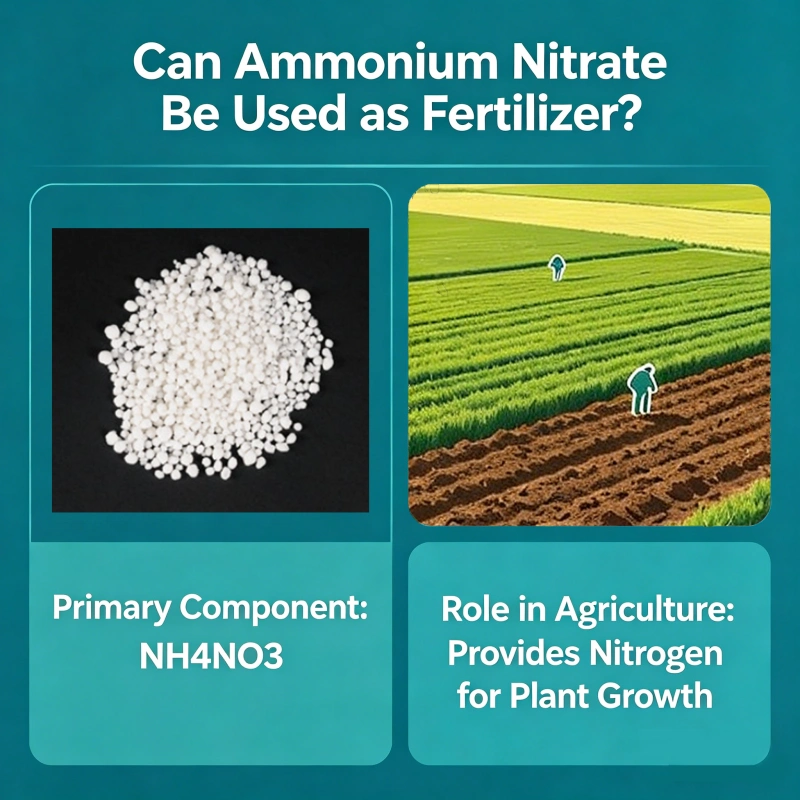
Ammonium nitrate (NH₄NO₃) is a chemical compound that has played a pivotal role in modern agriculture. The simple question, "Can ammonium nitrate be used as fertilizer?" has a resounding and scientifically well-established answer: Yes. In fact, for much of the 20th century, it was one of the most widely used nitrogen fertilizers globally. Its effectiveness stems from its unique chemical composition, which provides plants with nitrogen in two readily absorbable forms: the ammonium ion (NH₄⁺) and the nitrate ion (NO₃⁻). This dual-nitrogen source offers agronomic advantages that have made it a cornerstone of intensive farming systems.
However, the story of ammonium nitrate as a fertilizer is not without complexity. Its high nitrogen content and efficiency are counterbalanced by significant safety, security, and environmental concerns. Its potential for misuse in explosives has led to stringent regulations and, in some regions, outright bans on its use as a straight fertilizer. Furthermore, like all nitrogen fertilizers, its application can contribute to environmental issues such as nitrous oxide (N₂O) emissions—a potent greenhouse gas—and nitrate leaching into waterways.
This article will provide a comprehensive analysis of ammonium nitrate as a fertilizer. We will delve into its chemical properties and mechanisms of action in the soil, compare its benefits and drawbacks against other common nitrogen sources like urea, examine its environmental footprint, and discuss the global regulatory landscape that shapes its current use. Finally, we will outline best management practices that allow farmers to harness its agronomic power while mitigating its associated risks.
The Science Behind Ammonium Nitrate as a Fertilizer
To understand why ammonium nitrate is such an effective fertilizer, we must first examine its fundamental chemistry and how it interacts with the soil-plant system.
Chemical Composition and Nitrogen Forms
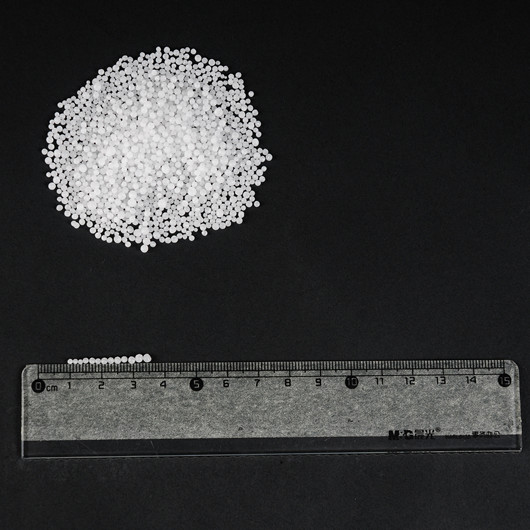
Ammonium nitrate is a salt formed from the reaction of ammonia (NH₃) and nitric acid (HNO₃). Its molecular formula, NH₄NO₃, reveals its key feature: it contains one molecule of ammonium (NH₄⁺) and one molecule of nitrate (NO₃⁻). This gives it a total nitrogen (N) content of approximately 34-35%, a figure that is highly concentrated and economically efficient for transport and application.
The presence of these two distinct nitrogen forms is crucial. Plants can directly absorb and utilize both NH₄⁺ and NO₃⁻, but they do so through different physiological pathways and with different consequences for the plant and the surrounding soil environment.
Nitrate (NO₃⁻): This is the primary form of nitrogen taken up by most plants in well-aerated, non-acidic soils. It is highly mobile in the soil solution, meaning it can move easily with water towards plant roots. However, this same mobility makes it susceptible to leaching, especially in sandy soils or during periods of heavy rainfall, where it can be washed beyond the root zone and into groundwater.
Ammonium (NH₄⁺): This positively charged ion is attracted to and held by negatively charged soil particles (clay and organic matter), a process known as cation exchange. This reduces its risk of leaching compared to nitrate. However, ammonium must undergo a biological transformation in the soil before a plant can fully benefit from it. Soil bacteria, primarily Nitrosomonas and Nitrobacter, convert ammonium into nitrite (NO₂⁻) and then into nitrate (NO₃⁻) in a two-step process called nitrification. This process releases hydrogen ions (H⁺), which can gradually acidify the soil over time.
Mechanism of Action in the Soil
When granular ammonium nitrate is applied to the soil, it quickly dissolves in the soil moisture. The resulting NH₄⁺ and NO₃⁻ ions become available in the soil solution. The nitrate portion is immediately available for plant uptake. The ammonium portion is either taken up directly by the plant or begins the nitrification process.
This dual availability creates a more balanced and sustained supply of nitrogen to the crop:
Immediate Effect: The nitrate provides a quick boost of nitrogen, which is particularly beneficial for fast-growing crops or as a top-dressing during a critical growth stage.
Sustained Release: The ammonium acts as a reservoir. As it is slowly converted to nitrate by soil microbes, it provides a longer-term, steady supply of nitrogen, reducing the risk of a sharp peak and subsequent deficiency.
This characteristic often results in a higher Nitrogen Use Efficiency (NUE) for ammonium nitrate compared to fertilizers that supply nitrogen in only one form, especially under certain conditions. NUE is a measure of the proportion of applied nitrogen that is actually taken up and utilized by the crop.
Advantages and Disadvantages: A Balanced View
Like any agricultural input, ammonium nitrate presents a set of trade-offs. Understanding its pros and cons is essential for making informed decisions about its use.
Key Advantages
High Nitrogen Content and Efficiency: With 34-35% N, it is a concentrated source of nitrogen, reducing transportation and storage costs per unit of nutrient. Its dual-form nitrogen often leads to good NUE, meaning more of the applied nitrogen ends up in the crop rather than being lost to the environment.
Rapid and Balanced Availability: The immediate availability of nitrate combined with the slower release from ammonium provides a more consistent nitrogen supply, which can lead to more stable and predictable crop yields.
Low Salt Index: Compared to some other fertilizers like potassium chloride, ammonium nitrate has a relatively low salt index. This means it is less likely to cause seedling damage or "fertilizer burn" when placed near seeds or young plants, offering greater flexibility in application methods.
Good Physical Properties: Modern prilled or granulated ammonium nitrate is generally free-flowing, easy to handle, and compatible with most standard fertilizer application equipment.
Significant Disadvantages
Safety and Security Risks: This is the most critical drawback. Pure ammonium nitrate is a powerful oxidizing agent. Under specific conditions of high heat, confinement, and contamination (especially with fuels or other combustible materials), it can detonate violently. Tragic industrial accidents, such as the 2013 West, Texas explosion, and its historical use in improvised explosive devices have led to its reputation as a security concern.
Environmental Impact - N₂O Emissions: The nitrification and denitrification processes that transform ammonium and nitrate in the soil are major biological sources of nitrous oxide (N₂O). N₂O is a greenhouse gas with a global warming potential nearly 300 times that of carbon dioxide (CO₂) over a 100-year period and is also a primary driver of stratospheric ozone depletion. Research, including studies from institutions like The Hong Kong Polytechnic University, has shown that the use of nitrogen fertilizers, including ammonium nitrate, is a significant contributor to rising global N₂O levels.
Potential for Leaching and Volatilization: While the ammonium portion is less prone to leaching, the nitrate portion is highly mobile and can contaminate groundwater. Additionally, if the fertilizer is surface-applied to a high-pH soil, some of the ammonium can be lost to the atmosphere as ammonia gas (NH₃) through a process called volatilization.
Soil Acidification: The nitrification of the ammonium component releases H⁺ ions, which can lower soil pH over time. In already acidic soils, this can exacerbate problems like aluminum toxicity and reduce the availability of other essential nutrients, necessitating the application of lime to neutralize the acidity.
A Diversified Portfolio of Modern Ammonium-Based Fertilizers
The contemporary fertilizer landscape has moved far beyond the traditional dichotomy of ammonium nitrate versus urea. Driven by agronomic needs, environmental considerations, and stringent safety regulations, the industry now offers a sophisticated range of ammonium-based products—each engineered to deliver nitrogen efficiently while addressing specific challenges in the field.
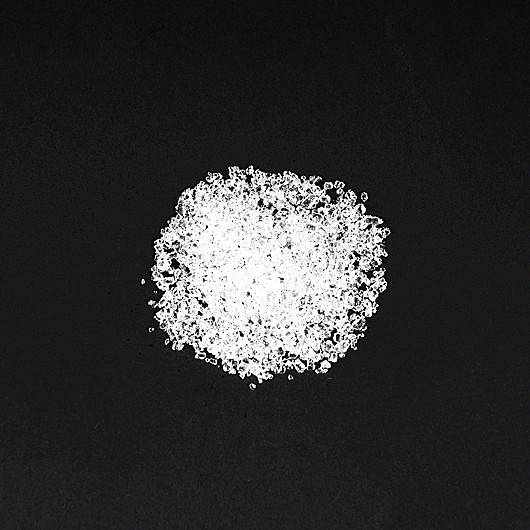
Porous Prilled Ammonium Nitrate (PPAN) represents a significant advancement in physical stability. Produced using patented French KT technology, PPAN features an ultra-low moisture content (≤0.05%)—well below conventional standards—making it highly resistant to caking even in hot and humid climates. Its porous structure also enables high oil absorption (12–14%), which is advantageous not only for industrial applications but also ensures consistent prill integrity during storage and spreading. This reliability translates into uniform nitrogen distribution and predictable crop response, making PPAN a preferred choice in regions where product handling and climate pose logistical challenges.
View related products: Porous Prilled Ammonium Nitrate (PPAN)
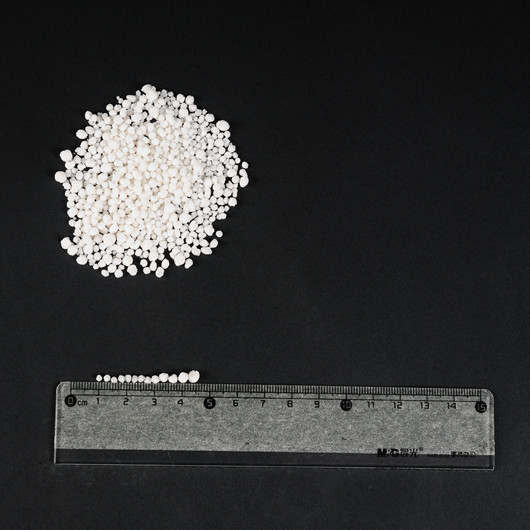
Calcium Ammonium Nitrate (CAN) emerged as a direct response to global concerns over the explosive potential of pure ammonium nitrate. By blending ammonium nitrate with calcium carbonate (limestone) or dolomite, CAN dramatically reduces security risks while simultaneously delivering valuable secondary nutrients—primarily calcium and often magnesium. These elements play crucial roles in soil health: calcium improves soil structure, enhances root development, and mitigates soil acidification caused by long-term use of physiologically acidic fertilizers. As a result, CAN has become the standard nitrogen source in many European countries and is increasingly adopted in sustainable farming systems worldwide.
View related products: Calcium Ammonium Nitrate
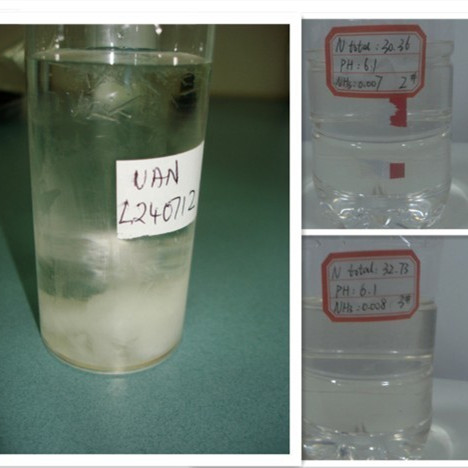
Urea Ammonium Nitrate Solution (UAN) exemplifies the shift toward precision and efficiency in modern agriculture. This liquid formulation combines urea, ammonium, and nitrate nitrogen in a single solution, offering a balanced release profile that supports both immediate and sustained plant uptake. Its fluid form makes it ideal for integration with fertigation, center-pivot irrigation, and other advanced application technologies, enabling real-time nutrient management aligned with crop growth stages. As China’s first large-scale producer of UAN, San Corporation is at the forefront of this innovation, providing farmers with a tool that maximizes nitrogen use efficiency while minimizing labor and environmental impact.
Together, these products illustrate how fertilizer science has evolved to meet the complex demands of 21st-century farming—not just by supplying nutrients, but by enhancing safety, adaptability, and sustainability across diverse agricultural ecosystems.
View related products: Urea Ammonium Nitrate Solution(UANS)
Comparative Analysis: A Spectrum of Nitrogen Fertilizer Options
While the classic comparison between ammonium nitrate and urea remains relevant, modern agriculture offers a more diverse portfolio of nitrogen sources. Each product is engineered to address specific agronomic challenges, environmental conditions, and safety regulations. Understanding these options allows farmers to make precise, strategic choices for their operations.
| Feature / Product | Pure Ammonium Nitrate (AN) | Porous Prilled Ammonium Nitrate (PPAN) | Calcium Ammonium Nitrate (CAN) | Urea Ammonium Nitrate Solution (UAN) | Urea |
|---|---|---|---|---|---|
| Total N (%) | 34-35 | 34-35 | 26-28 | 28-32 | 46 |
| Other Nutrients | None | None | Calcium (Ca), Magnesium (Mg) | None | None |
| Physical Form | Dense Granular | Porous Granular | Granular | Liquid Solution | Dense Granular |
| Primary N Forms | 50% NH₄⁺, 50% NO₃⁻ | 50% NH₄⁺, 50% NO₃⁻ | ~50% NH₄⁺, ~50% NO₃⁻ | ~25% Urea-N, ~25% NH₄⁺, ~50% NO₃⁻ | 100% Urea-N |
| Explosive Risk | High | High | Very Low | Low | None |
| Key Advantage | Balanced, immediate & sustained N | Superior physical stability: low moisture (≤0.05%), high anti-caking, high oil absorption | Enhanced safety profile; supplies calcium to improve soil structure & counteract acidification | Ideal for precision agriculture: enables fertigation, uniform application, and flexible timing | Highest N concentration; lowest cost per unit of N |
| Best Suited For | Regions with relaxed security regulations; controlled industrial settings | Humid/tropical climates where caking is a major issue; applications requiring high physical integrity | Markets with strict AN regulations (e.g., EU); acidic soils needing liming; pasture and forage crops | Center-pivot irrigation, drip systems, and other modern farming operations focused on efficiency | General-purpose use in dryland farming where volatilization can be managed |
This comparison highlights a clear evolution in nitrogen fertilizer technology. Products like PPAN solve practical handling problems, CAN directly addresses safety and soil health concerns, and UAN is a cornerstone of data-driven, efficient farming. This diversification empowers growers to move beyond a one-size-fits-all approach and select the optimal nitrogen source for their unique context.
The key difference lies in nitrogen availability and loss pathways. Urea must first be converted by the enzyme urease in the soil into ammonium and then into nitrate. If left on the soil surface, a large portion of the nitrogen from urea can be lost as ammonia gas before it even enters the soil solution. Ammonium nitrate, by providing half its nitrogen as ready-to-use nitrate, avoids this initial, high-risk volatilization phase. However, its explosive nature has been the primary driver behind its decline in favor of urea in many markets.
Global Market Trends and Regulatory Landscape
The use of ammonium nitrate as a fertilizer is heavily influenced by a complex web of economic, political, and security-related regulations that vary significantly by country.
Market Dynamics
According to market research reports, the global ammonium nitrate market was valued at approximately $167 billion in 2025, with projections for continued, albeit moderate, growth. The Asia-Pacific region remains a dominant consumer, driven by its vast agricultural sector. However, the market is characterized by a clear trend: the use of pure ammonium nitrate as a straight fertilizer is declining in many parts of the world, while its use in compound fertilizers (like NPK blends) or in industrial applications (mining explosives) remains strong.
Regulatory Framework
Regulations are the single biggest factor shaping its agricultural use:
European Union: Following several terrorist incidents, the EU implemented strict regulations on the sale and possession of ammonium nitrate fertilizers with high nitrogen content. Many member states now prohibit or severely restrict the use of straight ammonium nitrate fertilizer, pushing farmers towards alternatives like calcium ammonium nitrate (CAN), which is less explosive due to the addition of calcium carbonate.
United States: While not banned, its sale and storage are subject to rigorous security measures under the Department of Homeland Security. The focus is on preventing theft and diversion for illicit purposes. The 2013 West, Texas disaster also led to enhanced safety protocols for storage facilities.
China: Historically a major producer and consumer, China has implemented policies to curb overuse of nitrogen fertilizers to address environmental pollution. While not specifically banning ammonium nitrate, these policies have encouraged a shift towards more efficient and environmentally friendly fertilizers, including controlled-release and compound types.
Other Regions: Many countries have adopted a middle ground, allowing its use but with licensing requirements for sellers and buyers, secure storage mandates, and limits on the quantity an individual can purchase.
These regulations have effectively reshaped the market, making pure ammonium nitrate a less accessible option for many farmers and accelerating the adoption of safer alternatives.
Best Management Practices: Strategic Product Selection Based on Crop and Soil Conditions
Effective nitrogen management goes beyond application timing and placement—it begins with selecting the right fertilizer product for the specific agronomic context. Aligning the physical and chemical properties of ammonium-based fertilizers with crop needs and soil conditions is key to optimizing yield, efficiency, and environmental outcomes.
For high-value horticultural crops (e.g., fruits, vegetables, and vineyards):
Urea Ammonium Nitrate (UAN) solution is the optimal choice. Its liquid form enables seamless integration into drip or micro-irrigation systems, facilitating true fertigation—where water and nutrients are delivered directly to the root zone in precise, controlled amounts. This synchronization of water and nitrogen supply minimizes leaching and volatilization losses while allowing growers to tailor nutrient applications to critical growth stages (e.g., flowering, fruit set, or bulking). The presence of three nitrogen forms (urea, ammonium, and nitrate) in UAN ensures both immediate availability and sustained release, supporting consistent crop performance throughout the season.
Read this article to learn about the application of urea fertilizer in fruit trees: The Application of Urea Fertilizer for Apple Trees
For large-scale cereal and grain production (e.g., wheat, corn, barley):
Product selection should be guided by local regulatory frameworks and climatic conditions. In regions where security regulations permit the use of pure ammonium nitrate, Porous Prilled Ammonium Nitrate (PPAN) stands out as a superior option for both basal and top-dressing applications. Its exceptional physical durability—resistance to caking, dust formation, and moisture uptake—ensures uniform spreading across vast fields, even under humid or rainy conditions. This reliability translates into consistent nitrogen distribution and reduced operational downtime. However, in jurisdictions with strict controls on ammonium nitrate (such as the European Union), Calcium Ammonium Nitrate (CAN) serves as a highly effective and compliant alternative, delivering balanced nitrogen nutrition without compromising safety.
For acidic or degraded soils:
Soil pH management is as critical as nitrogen supply. In fields exhibiting significant acidification—often a consequence of long-term ammonium-based fertilizer use or high rainfall—CAN is strongly recommended. Unlike pure ammonium nitrate or urea, which can exacerbate soil acidity through nitrification, CAN contains 20–30% calcium carbonate (or dolomite), which acts as a mild liming agent. This not only neutralizes soil acidity over time but also improves soil structure, enhances microbial activity, and increases the availability of essential nutrients like phosphorus and molybdenum. Regular use of CAN in such systems contributes to long-term soil health and sustainable productivity.
By embedding product-specific guidance into Best Management Practices, farmers can move from generic nitrogen recommendations to intelligent, system-based nutrient strategies—maximizing returns while safeguarding environmental resources.
Environmental Stewardship and Regulatory Compliance
Integrating environmental responsibility into fertilizer selection is no longer optional—it’s a core component of modern agronomy. Different ammonium-based products carry distinct environmental footprints that must be managed through informed product choice and application practices.
Nitrate Leaching Risk: Fertilizers with high nitrate content (e.g., AN, PPAN, CAN) can contribute to groundwater contamination, particularly in sandy soils, high-rainfall regions, or under excessive irrigation. To mitigate this, split applications aligned with crop uptake stages or the use of nitrification inhibitors (e.g., DCD or Nitrapyrin) can slow the conversion of ammonium to nitrate, reducing leaching potential.
Ammonia Volatilization: Urea and UAN are prone to nitrogen loss as ammonia gas (NH₃), especially when surface-applied on alkaline soils (pH > 7.5), in warm conditions, or without incorporation. Losses can exceed 30% under poor management. Best practices include injecting UAN below the soil surface, applying urease inhibitors (e.g., NBPT), or timing applications to coincide with rainfall or irrigation for immediate incorporation.
Regulatory Alignment: Many countries, including those in the European Union, have banned or severely restricted pure ammonium nitrate due to its potential use in illicit explosive devices. Proactively choosing compliant alternatives like Calcium Ammonium Nitrate (CAN) or stabilized UAN not only avoids legal and logistical hurdles but also demonstrates a commitment to community safety and corporate social responsibility.
Environmental Risk Assessment Checklist: Before selecting a product, evaluate: (1) Soil texture (sandy = higher leaching risk); (2) Soil pH (alkaline = higher volatilization risk); (3) Local rainfall/irrigation patterns; and (4) National and regional regulations on ammonium nitrate.
Integration with Digital Agriculture Tools
Modern ammonium fertilizers are increasingly designed to work within data-driven farming ecosystems, enabling unprecedented levels of precision and efficiency.
UAN Solution is inherently compatible with variable-rate application (VRA) systems. When linked to GPS, soil electrical conductivity (EC) maps, and real-time crop sensors (e.g., NDVI), UAN can be applied at dynamically adjusted rates across field zones—delivering more nitrogen to high-yield areas and less to marginal ones. This integration is foundational to “prescription farming.”
PPAN and CAN, as dry prilled/granular products, can be precisely metered using automated spreaders equipped with section control and rate controllers calibrated via farm management software (e.g., John Deere Operations Center, Climate FieldView). Their physical consistency ensures accurate delivery even at high application speeds.
Emerging Decision Support Platforms now offer fertilizer-specific recommendations. For instance, algorithms can analyze historical yield maps, soil test data, and weather forecasts to recommend CAN over urea in acidic fields or suggest UAN fertigation schedules that minimize environmental losses while maximizing ROI.
Key Takeaway: The future of nitrogen management lies not just in the chemistry of the product, but in its seamless integration with digital infrastructure—from satellite imagery to in-field sensors.
Economic Considerations: Cost per Unit of Available Nitrogen
While urea boasts the highest N concentration (46%), its effective cost must account for potential losses and application constraints. A true economic comparison evaluates the cost per kilogram of nitrogen actually utilized by the crop under best management practices.
| Product | Typical N Content (%) | FOB China Price Range (USD/ton, Q1 2026) | Estimated Field Efficiency* | Effective Cost per kg N (USD) |
|---|---|---|---|---|
| Urea | 46 | $400–$440 | 60–70% | $1.24 – $1.60 |
| UAN | 32 | $450–$500 | 75–85% | $1.65 – $2.08 |
| PPAN | 35 | $500–$550 | 85–90% | $1.59 – $1.85 |
| CAN | 27 | $520–$580 | 80–85% | $2.27 – $2.68 |
*Efficiency accounts for average losses from volatilization, leaching, and denitrification under BMPs. Source: World Bank Commodity Outlook (Nov 2025), China MoFCOM Price Data (Q1 2026).
Strategic Insight: Although CAN and PPAN have higher upfront costs, their superior efficiency and ancillary benefits (e.g., soil conditioning from CAN, logistical reliability from PPAN) often result in lower total cost of ownership and higher net returns, especially in high-value or regulated production systems.
Case Studies: Real-World Applications
Case Study 1: Citrus Production in Florida, USA
A 500-acre citrus grower transitioned from broadcast urea to drip-applied UAN (32-0-0) over two seasons. By synchronizing nitrogen pulses with fruit development stages (e.g., post-bloom, fruit set, sizing), the grower reduced total N use by 22%, decreased leaf burn incidents, and achieved a 12% increase in pack-out of premium-grade fruit. The investment in fertigation infrastructure was recouped within three years through input savings and quality premiums.
Case Study 2: Winter Wheat in Brandenburg, Germany
Following the EU’s tightened regulations on ammonium nitrate storage and transport, a 2,000-hectare cooperative switched entirely to CAN for its winter wheat program. Over three growing seasons, soil pH in historically acidic fields rose from 5.2 to 5.8, reducing the need for separate lime applications. Yields remained stable at 8.5 t/ha, and the cooperative qualified for national sustainability subsidies tied to reduced-risk inputs.
These examples demonstrate that strategic product selection, grounded in local agronomic and regulatory realities, delivers tangible economic and environmental dividends.
Conclusion
In conclusion, ammonium nitrate is unequivocally an effective and potent nitrogen fertilizer. Its unique ability to supply nitrogen in both ammonium and nitrate forms offers a balanced and efficient nutrient source for a wide range of crops. Its agronomic merits are well-documented in decades of agricultural research.
However, its legacy is now inextricably linked to its dual-use nature. The very chemical properties that make it a powerful fertilizer also make it a material of significant security concern. This reality, coupled with its contribution to greenhouse gas emissions and other environmental challenges, has led to a global re-evaluation of its role in agriculture.
While it remains a valuable tool in the farmer's toolbox in many parts of the world, its use is increasingly regulated and often replaced by safer alternatives like urea-ammonium nitrate (UAN) solutions or calcium ammonium nitrate. The future of ammonium nitrate in agriculture will depend on a careful balancing act between its undeniable productivity benefits and the imperative to manage its inherent risks responsibly. Through the diligent application of science-based best management practices and adherence to strict safety protocols, its benefits can be harnessed while its drawbacks are effectively mitigated, ensuring its place in a sustainable and secure food system.
San Corporation
For reliable, high-quality ammonium nitrate solutions that meet both agricultural and industrial standards, San Corporation stands as a trusted global leader. Founded in 2002 and operating China’s largest ammonium nitrate production base, San Corporation is not only the nation’s top exporter of ammonium nitrate but also one of the few enterprises officially approved by China’s National Defense Department for exporting dangerous goods. With advanced patented technologies imported from eight countries—including France, Germany, and Japan—the company produces superior products such as Porous Prilled Ammonium Nitrate (PPAN) and Urea Ammonium Nitrate Solution, known for their low moisture content, high stability, and excellent performance. San Corporation welcomes large-scale procurement from global distributors, government agencies, mining operations, and defense sectors—delivering “the highest quality at the lowest price with the most secure service.”Contact San Corporation today!