Urea fertilizer has become one of the most widely used nitrogen fertilizers in modern agriculture. According to the Food and Agriculture Organization (FAO) and the International Fertilizer Association (IFA), urea accounts for over 50% of global nitrogen fertilizer consumption. Its high nitrogen content, cost efficiency, and adaptability across crops make it an essential tool for farmers aiming to increase yields while managing production costs.
Nitrogen is the most critical nutrient for plant growth. It directly influences chlorophyll formation, protein synthesis, and overall plant development. Without adequate nitrogen, crops often show symptoms such as yellowing leaves, slow growth, and reduced yields. Urea fertilizer provides an efficient way to supply this vital nutrient.
This article explores five key advantages of urea fertilizer, supported by research data and practical agricultural insights. It also includes tables summarizing key comparisons and field data to help farmers, distributors, and agricultural professionals better understand why urea remains a leading fertilizer choice worldwide.
What Is Urea Fertilizer?
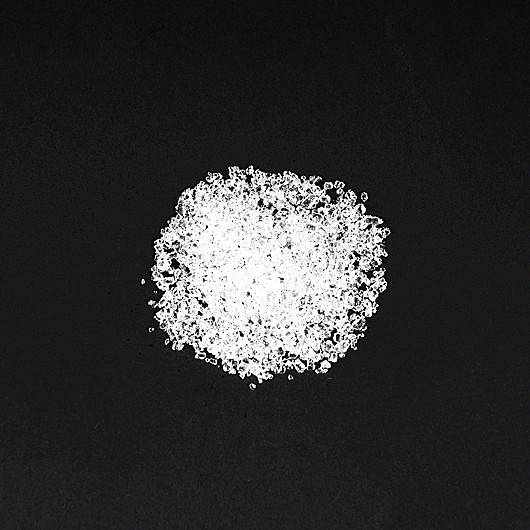
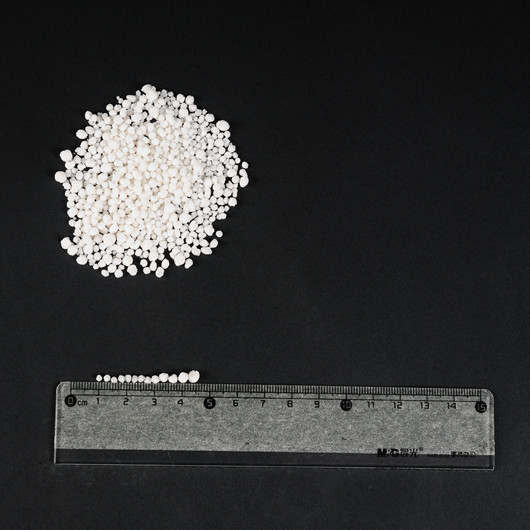
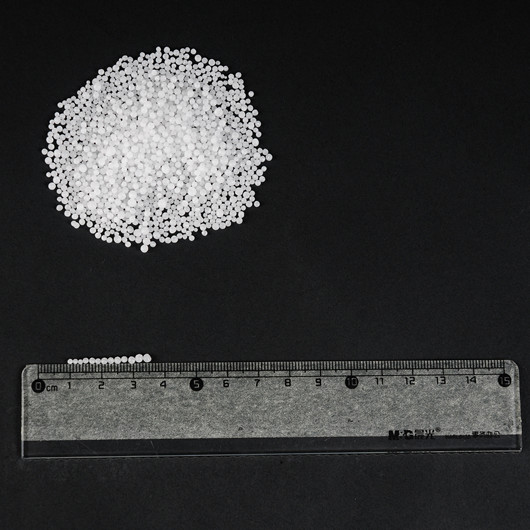
Urea fertilizer is an organic compound with the chemical formula CO(NH₂)₂. It is produced by combining ammonia and carbon dioxide under high pressure. The resulting product is typically sold in granular or prilled form and can be applied directly to soil or dissolved in water for fertigation.
Key Characteristics of Urea Fertilizer
| Property | Value |
|---|---|
| Chemical Formula | CO(NH₂)₂ |
| Nitrogen Content | 46% |
| Solubility | Highly soluble in water |
| Form | Granular or prilled |
| Application Methods | Broadcasting, fertigation, foliar spray |
With 46% nitrogen, urea contains the highest nitrogen concentration among solid nitrogen fertilizers, making it extremely efficient for transport, storage, and agricultural use.
Advantage 1: Highest Nitrogen Content Among Solid Fertilizers
The most significant advantage of urea fertilizer is its very high nitrogen concentration. Nitrogen plays a crucial role in plant metabolism, leaf development, and crop productivity.
Compared with other commonly used nitrogen fertilizers, urea provides more nitrogen per unit weight.
Nitrogen Content Comparison of Major Fertilizers
| Fertilizer Type | Nitrogen Content (%) |
|---|---|
| Urea | 46% |
| Ammonium Nitrate | 33–34% |
| Calcium Ammonium Nitrate | 26–28% |
| Ammonium Sulfate | 21% |
Research Insight:
According to studies published by the International Plant Nutrition Institute (IPNI), crops receiving adequate nitrogen can increase yield by 20%–50% depending on crop type and soil conditions.
Because urea contains the highest nitrogen concentration, farmers can apply less fertilizer by weight while delivering the same nutrient amount. This reduces transportation, storage, and handling costs.
Example Calculation
| Fertilizer | Nitrogen Needed | Fertilizer Required |
|---|---|---|
| Urea (46% N) | 100 kg N | 217 kg fertilizer |
| Ammonium Nitrate (34% N) | 100 kg N | 294 kg fertilizer |
Using urea instead of ammonium nitrate reduces fertilizer weight by about 26% for the same nitrogen supply.
This makes urea especially valuable for large-scale farming and international fertilizer trade.
To understand the differences between urea and ammonium nitrate fertilizers, please see this article: Difference Between Urea and Ammonium Nitrate
Advantage 2: Cost-Effective Nutrient Source
Another major advantage of urea fertilizer is cost efficiency. Because it contains more nitrogen per ton, the cost per unit of nitrogen is typically lower compared with many other fertilizers.
Several economic studies on fertilizer markets indicate that urea often provides 10%–20% lower nitrogen cost than alternative nitrogen fertilizers.
Cost Efficiency Example
| Fertilizer | Average Price per Ton | Nitrogen Content | Cost per kg of Nitrogen |
|---|---|---|---|
| Urea | $450 | 46% | $0.98 |
| Ammonium Nitrate | $480 | 34% | $1.41 |
| Ammonium Sulfate | $350 | 21% | $1.67 |
(Prices are illustrative averages based on global fertilizer market data.)
This economic advantage is particularly important for:
Large farms
Agricultural cooperatives
Government fertilizer programs
Fertilizer distributors
Lower fertilizer costs directly improve farm profitability, especially for nitrogen-demanding crops such as:
Corn
Wheat
Rice
Sugarcane
Advantage 3: Versatile Application Across Crops and Soils
Urea fertilizer is highly adaptable and can be used with almost all crops and soil types.
Common Crops Using Urea
| Crop | Nitrogen Requirement | Typical Urea Application |
|---|---|---|
| Corn | High | 150–220 kg/ha |
| Wheat | Medium–High | 120–180 kg/ha |
| Rice | High | 180–250 kg/ha |
| Vegetables | Medium–High | 100–200 kg/ha |
| Fruit Trees | Medium | 80–150 kg/ha |
Urea can be applied using several methods:
Broadcasting – spreading fertilizer across the soil surface.
Banding – placing fertilizer near plant roots.
Fertigation – applying through irrigation systems.
Foliar spraying – dissolving urea in water for leaf absorption.
Research Findings on Crop Yield Improvement
Agricultural field trials conducted across Asia and Europe show significant yield increases when urea is properly applied.
| Crop | Yield Without Nitrogen | Yield With Urea | Yield Increase |
|---|---|---|---|
| Wheat | 3.2 t/ha | 5.1 t/ha | +59% |
| Rice | 4.0 t/ha | 6.3 t/ha | +57% |
| Corn | 5.5 t/ha | 8.2 t/ha | +49% |
These results confirm that urea fertilizer plays a major role in improving agricultural productivity.
Read these two articles to learn more about the advantages of using urea fertilizer on different crops:
The Application of Urea Fertilizer for Apple Trees
Analysis of Urea Fertilizer for Rose Plants
Advantage 4: Easy Storage, Transport, and Handling
Logistics efficiency is another reason why urea fertilizer dominates the global market.
Compared with liquid fertilizers or bulkier nutrient sources, urea is easy to store and transport due to its physical properties.
Storage Advantages
| Feature | Benefit |
|---|---|
| Solid granular form | Easy to handle |
| High nutrient density | Less storage space |
| Stable chemical structure | Long shelf life |
| Low transport weight | Reduced shipping cost |
In global fertilizer trade, shipping efficiency is critical. Because urea contains more nutrients per ton, it reduces transportation costs for exporters and distributors.
This is one reason why urea is the most traded nitrogen fertilizer internationally.
According to the International Fertilizer Association, global urea trade exceeds 50 million tons annually.
Advantage 5: Compatible With Modern Agricultural Technologies
Modern farming increasingly relies on precision agriculture and advanced nutrient management systems. Urea fertilizer works well with these technologies.
Compatibility With Advanced Farming Systems
| Technology | Role of Urea |
|---|---|
| Precision fertilization | Accurate nutrient dosing |
| Drip irrigation | Fertigation with dissolved urea |
| Controlled release fertilizers | Urea as base ingredient |
| Blended fertilizers | Mixed with phosphorus and potassium |
Urea can also be processed into specialized fertilizers such as:
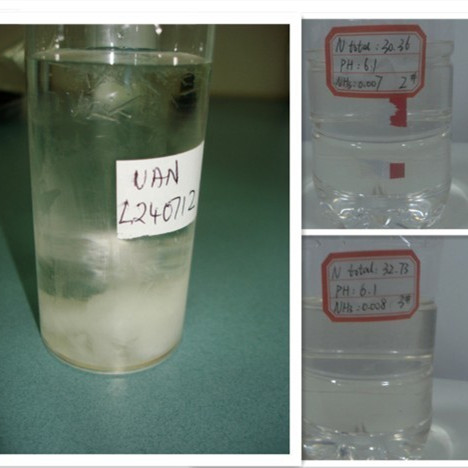
Urea Ammonium Nitrate (UAN) solutions
Coated slow-release fertilizers
Customized nutrient blends
These advanced formulations help farmers improve nitrogen use efficiency (NUE) and reduce environmental losses.
Research from agricultural universities shows that improved nitrogen management using urea-based fertilizers can increase nitrogen use efficiency by 30–50%.
Best Practices for Using Urea Fertilizer
To maximize the benefits of urea fertilizer, farmers should follow proper application methods.
Practical Recommendations
Apply before rainfall or irrigation to reduce nitrogen loss.
Incorporate into soil when possible to prevent volatilization.
Split applications during crop growth stages for better nutrient absorption.
Avoid applying during extremely hot conditions.
Combine with soil testing to determine optimal dosage.
Example Nitrogen Application Schedule
| Crop Stage | Nitrogen Application |
|---|---|
| Pre-planting | 30–40% |
| Early growth | 30% |
| Flowering stage | 30–40% |
These practices help improve nitrogen efficiency while reducing fertilizer waste.
Global Demand for Urea Fertilizer
The demand for urea fertilizer continues to grow due to rising food production needs.
Global Urea Consumption
| Year | Global Consumption |
|---|---|
| 2015 | 160 million tons |
| 2020 | 175 million tons |
| 2025 | 195 million tons |
Population growth and limited farmland mean that fertilizer efficiency will remain essential for future agriculture.
Why Choose San Corporation for Urea Fertilizer Supply
When sourcing high-quality urea fertilizer for agricultural or industrial use, choosing a reliable manufacturer is critical.
San Corporation, founded in 2002, has grown into one of the most influential chemical and fertilizer suppliers in China.
Industry Leadership
San Corporation is:
The largest ammonium nitrate exporting enterprise in China
One of the few companies approved by the National Defense Department to export dangerous goods
Home to China’s largest ammonium nitrate production base
Advanced Technology and Manufacturing
The company operates a large-scale production facility equipped with:
A professional research and development center
Advanced production lines
Patented technologies introduced from Germany, Japan, France, Norway, and other countries
These technologies ensure stable product quality, high output, and continuous innovation.
Production Capacity
| Product | Annual Capacity |
|---|---|
| Ammonium Nitrate | 1.2 million tons |
| Urea Ammonium Nitrate Solution | 300,000–400,000 tons |
| Ammonium Nitrate Export (2012) | 80,000 tons |
Key Export Products
San Corporation supplies a wide range of agricultural and chemical products, including:
Porous Prilled Ammonium Nitrate (PPAN)
Chemical Pure Ammonium Nitrate
Urea Fertilizer
Calcium Ammonium Nitrate
Calcium Nitrate
Urea Ammonium Nitrate Solution
Among them, Porous Prilled Ammonium Nitrate (PPAN) uses advanced technology from France’s KT Company, offering:
Low water content (≤0.05%)
Strong anti-caking properties
High oil absorption (12–14%)
High crushing strength
Detonation velocity above 3200 m/s
These technical advantages make San Corporation’s products highly competitive in the international market.
Global Cooperation
San Corporation regularly participates in international exhibitions such as the Canton Fair, where it has established long-term partnerships with global distributors, mining companies, and government buyers.
Due to large-scale production and complex logistics processes, the company focuses on bulk supply, welcoming cooperation with:
International distributors
Government agencies
Mining companies
Agricultural suppliers
Military procurement organizations
San Corporation is committed to providing the highest quality products at the lowest possible cost with reliable and secure service.
Conclusion
Urea fertilizer remains the most widely used nitrogen fertilizer in the world for good reason. Its advantages include:
Highest nitrogen concentration among solid fertilizers
Lower cost per unit of nitrogen
Versatile use across crops and soil types
Easy storage and transportation
Compatibility with modern agricultural technologies
With global food demand rising, efficient fertilizers like urea will continue to play a critical role in sustainable agriculture.
For businesses, distributors, and large agricultural operations seeking high-quality urea fertilizer and reliable chemical supply, San Corporation stands out as a trusted partner with strong production capacity, advanced technology, and global export experience.
By combining innovation, quality manufacturing, and competitive pricing, San Corporation continues to support agricultural productivity and industrial development worldwide. Welcome to contact San Corporation.