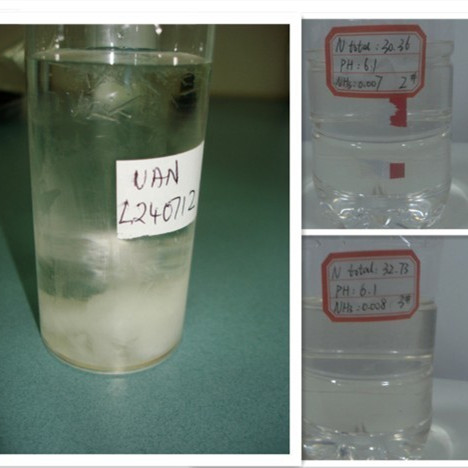
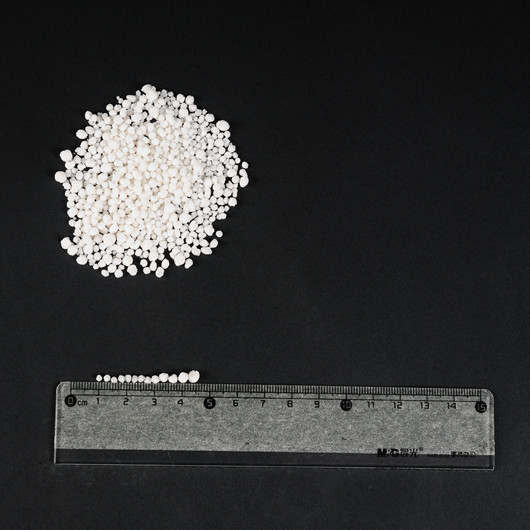
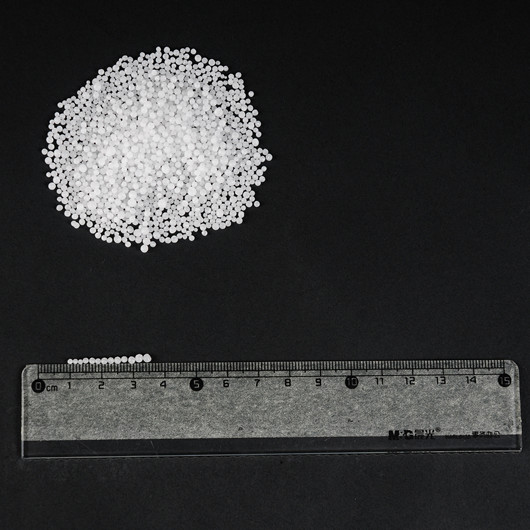
Ammonium nitrate fertilizer is a high-nitrogen fertilizer widely used in modern agriculture to provide plants with readily available nitrogen. Because it contains nitrogen in both ammonium and nitrate forms, ammonium nitrate can be an important nitrogen source for different crops and agricultural production systems.
For distributors, importers, wholesalers, and large agricultural buyers, choosing the right ammonium nitrate fertilizer supplier involves more than comparing prices. Product consistency, manufacturing capacity, quality control, packaging, logistics, documentation, and regulatory compliance are all important considerations.
This guide explains what ammonium nitrate fertilizer is, its agricultural applications, key characteristics, how it compares with other nitrogen fertilizers, and what bulk buyers should consider when selecting a supplier.
What Is Ammonium Nitrate Fertilizer?
Ammonium nitrate is a nitrogen fertilizer with the chemical formula NH₄NO₃. It contains a high proportion of nitrogen, making it an efficient source of nitrogen for agricultural applications.
The nitrogen in ammonium nitrate is present in two forms:
Ammonium nitrogen
Nitrate nitrogen
These forms provide different pathways for nitrogen availability in soil. Nitrate nitrogen is readily available for plant uptake, while ammonium nitrogen can interact with soil processes before being taken up by plants.
As a result, ammonium nitrate fertilizer is used in a range of agricultural applications where effective nitrogen management is required.
Why Is Ammonium Nitrate Used as a Fertilizer?
Nitrogen is one of the essential nutrients required for plant growth. It plays an important role in processes associated with leaf development, plant growth, and crop productivity.
Ammonium nitrate provides a concentrated source of nitrogen and can be incorporated into fertilizer programs according to crop requirements, soil conditions, and local agricultural practices.
For professional agricultural users, fertilizer selection should always consider crop type, soil characteristics, application timing, local regulations, and recommendations from qualified agronomists.
Key Benefits of Ammonium Nitrate Fertilizer
1. High Nitrogen Content
Ammonium nitrate is a concentrated nitrogen fertilizer. This makes it suitable for agricultural operations that require efficient nitrogen supplementation.
2. Two Forms of Nitrogen
The combination of ammonium and nitrate nitrogen gives ammonium nitrate a different nutrient profile from fertilizers that primarily provide nitrogen in another form.
3. Suitable for Large-Scale Agriculture
Ammonium nitrate can be supplied in industrial quantities, making it relevant to large agricultural operations, fertilizer distributors, and professional agricultural supply chains.
4. Flexible Fertilizer Programs
Depending on crop requirements and local agronomic recommendations, ammonium nitrate can be incorporated into different nitrogen management programs.
5. Consistent Industrial Production
For wholesale buyers, consistency from batch to batch is an important factor when purchasing nitrogen fertilizer. A reliable manufacturer should maintain appropriate production controls, quality testing, packaging standards, and documentation.
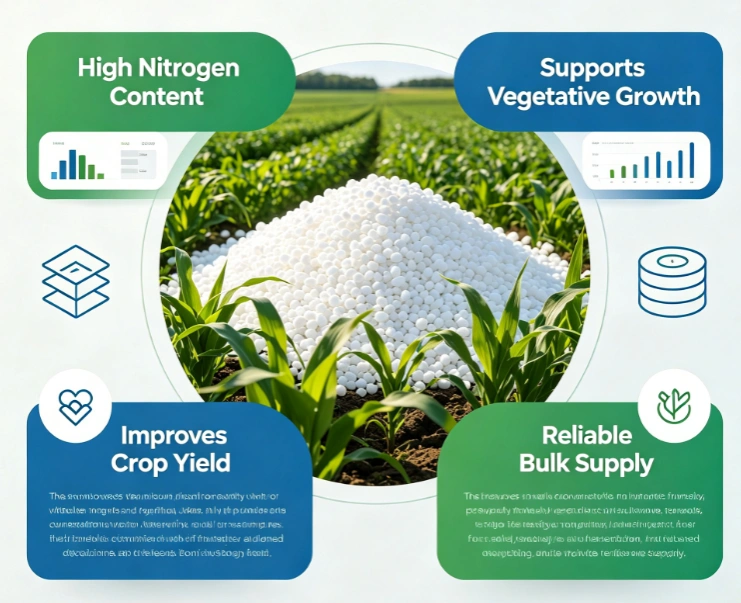
Key Benefits of Ammonium Nitrate Fertilizer
Ammonium Nitrate Fertilizer Applications
Ammonium nitrate fertilizer can be used as a nitrogen source in agricultural production.
Typical considerations include:
Crop nitrogen requirements
Soil nutrient status
Fertilization timing
Local climate and environmental conditions
Application method
Local agricultural regulations
The appropriate fertilizer program depends on the specific crop and growing conditions. Buyers should follow local agronomic recommendations rather than applying a standardized rate across different crops or regions.
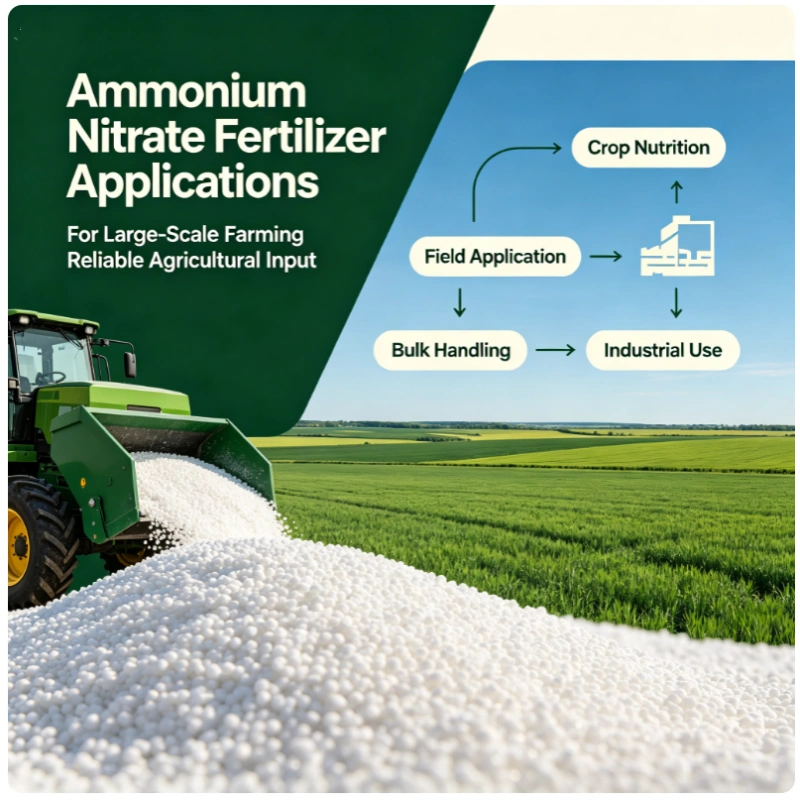
Ammonium Nitrate Fertilizer Applications
Ammonium Nitrate vs Urea: What Is the Difference?
Ammonium nitrate and urea are both widely recognized nitrogen fertilizers, but they have different chemical characteristics and agronomic properties.
| Factor | Ammonium Nitrate | Urea |
|---|---|---|
| Main nutrient | Nitrogen | Nitrogen |
| Nitrogen forms | Ammonium + nitrate | Amide nitrogen |
| Nitrogen concentration | High | Very high |
| Nitrogen availability | Includes readily available nitrate nitrogen | Requires conversion processes in soil |
| Common use | Agricultural nitrogen fertilization | Agricultural nitrogen fertilization |
| Buyer considerations | Product quality, handling, regulations, supply | Product quality, handling, regulations, supply |
The better choice depends on the crop, soil, climate, application program, local regulations, and purchasing requirements.
For commercial buyers, the comparison should also include total delivered cost, product specifications, availability, packaging, logistics, and supplier reliability rather than looking only at nitrogen percentage.
Ammonium Nitrate Fertilizer Grades and Quality Considerations
Different applications may require different product characteristics and specifications.
When evaluating ammonium nitrate fertilizer from a supplier, buyers may consider:
Product Purity
Consistent product quality is important for professional fertilizer distribution and agricultural use.
Particle Characteristics
For solid fertilizer products, particle size distribution and physical consistency can influence transportation, storage, and fertilizer handling.
Moisture Control
Moisture content is an important quality consideration for solid fertilizer products because it can affect physical properties during storage and transportation.
Caking Resistance
Good physical stability can help maintain product quality during transportation and storage.
Packaging
Bulk buyers should evaluate whether the supplier can provide packaging that matches their transportation, storage, and distribution requirements.
Quality Documentation
Professional suppliers should be able to provide appropriate product specifications, quality documentation, and shipment-related documents according to the destination market and transaction requirements.
How to Choose an Ammonium Nitrate Fertilizer Supplier
Choosing an ammonium nitrate fertilizer supplier requires evaluating both the product and the supplier's overall capabilities.
Here are several factors worth considering.
1. Manufacturing Capacity
Large-volume buyers should confirm that the supplier has sufficient production capacity to support long-term procurement requirements.
2. Quality Control
Ask about manufacturing processes, laboratory testing, product specifications, and quality consistency.
3. Export Experience
For international buyers, experience with export procedures and international logistics can reduce potential supply-chain problems.
4. Product Range
A supplier offering multiple nitrogen fertilizer products can provide buyers with more flexibility when developing their procurement strategy.
5. Delivery Capability
Lead time, packaging, shipping arrangements, documentation, and destination-market requirements should be discussed before placing an order.
6. Regulatory Compliance
Ammonium nitrate is subject to specific regulatory and transportation requirements in many markets. Buyers and suppliers should ensure that transactions, transportation, storage, importation, and use comply with all applicable laws and regulations.
Bulk Ammonium Nitrate Fertilizer Supply
For industrial and agricultural buyers, bulk procurement is different from purchasing small quantities through retail channels.
A bulk buyer typically needs to evaluate:
Annual supply requirements
Product specifications
Packaging format
Loading and transportation arrangements
Delivery destination
Required documentation
Applicable import and regulatory requirements
Payment and contract terms
Quality inspection requirements
Because ammonium nitrate is a regulated product in many jurisdictions, international transactions should be conducted through appropriate commercial and compliance procedures.
Ammonium Nitrate Fertilizer Manufacturer in China
San Corporation was founded in 2002 and has developed a large-scale manufacturing and export business focused on ammonium nitrate and related fertilizer products.
The company operates a large production facility with research capabilities, advanced equipment, and multiple production lines. According to company information, San Corporation has incorporated patented technologies from several international technology providers into its production and development activities.
The company's product portfolio includes:
The company reports an annual ammonium nitrate production capacity of approximately 1.2 million tons, providing substantial production capability for qualified large-volume customers.
Why Work With San Corporation?
For international wholesale buyers, supplier capability is an important part of procurement.
San Corporation's key advantages include:
Large production capacity
With approximately 1.2 million tons of annual ammonium nitrate production capacity, the company is positioned to serve large-volume procurement requirements.
Established manufacturing infrastructure
The company operates an established factory with research facilities, production lines, and technological equipment.
Broad fertilizer portfolio
In addition to ammonium nitrate, San Corporation supplies several related nitrogen and calcium-based fertilizer products.
International export experience
The company has experience serving international markets and regularly participates in major international trade events, including the Canton Fair.
Wholesale -oriented supply
Because of its large-scale manufacturing model, San Corporation primarily focuses on distributors, large agricultural buyers, government-related procurement organizations, and other qualified institutional customers rather than very small retail orders.
Frequently Asked Questions
What is ammonium nitrate fertilizer?
Ammonium nitrate fertilizer is a nitrogen fertilizer containing nitrogen in ammonium and nitrate forms. It is used as a nitrogen source in agricultural production.
Is ammonium nitrate a nitrogen fertilizer?
Yes. Ammonium nitrate is primarily used as a nitrogen fertilizer and provides a concentrated source of plant-available nitrogen.
What is the difference between ammonium nitrate and urea?
Both provide nitrogen, but they have different chemical forms and behave differently in soil. Ammonium nitrate contains both ammonium and nitrate nitrogen, while urea contains nitrogen in urea form and undergoes conversion processes in soil.
What should I consider when buying ammonium nitrate fertilizer in bulk?
Important considerations include product specifications, quality consistency, production capacity, packaging, logistics, documentation, supplier experience, and compliance with regulations in the destination market.
Can I buy ammonium nitrate fertilizer directly from a manufacturer?
Qualified wholesale buyers may be able to purchase directly from manufacturers, subject to the supplier's commercial requirements and all applicable laws and regulations.
Does San Corporation accept small orders?
San Corporation's large-scale manufacturing and export model is primarily designed for qualified bulk and institutional buyers. Buyers should contact the company directly to discuss product requirements, order quantities, destination, and applicable commercial conditions.
Conclusion
Ammonium nitrate fertilizer is an important nitrogen fertilizer for agricultural production. For professional buyers, however, selecting a supplier involves more than comparing product prices.
Production capacity, product consistency, quality control, packaging, export experience, logistics, documentation, and regulatory compliance should all be considered when evaluating a long-term supplier.
With large-scale production capabilities, an established manufacturing facility, a broad fertilizer portfolio, and international export experience, San Corporation serves qualified wholesale customers seeking ammonium nitrate and related fertilizer products.
For bulk ammonium nitrate fertilizer requirements, contact San Corporation to discuss product specifications, quantities, packaging, destination, and supply arrangements.